reduced water flow
There’s something oddly frustrating about problems you can’t quite see. A leaky pipe is obvious. A broken faucet is loud and dramatic. But water quality issues? Those tend to creep in quietly, almost politely, until one day you realize something isn’t working the way it should.
Maybe the shower pressure doesn’t feel as strong as it used to. Maybe your water heater seems to run longer. Maybe your plumbing fixtures keep developing chalky residue no matter how often you clean them.
More often than not, these small annoyances trace back to one common culprit: hard water.
Why Hard Water Isn’t Just a Cosmetic Issue
At first glance, hard water doesn’t seem like a big deal. After all, it’s not contaminated or unsafe to drink. It simply contains high levels of dissolved minerals—primarily calcium and magnesium—that naturally occur in groundwater.
The problem isn’t the minerals themselves. It’s what they leave behind.
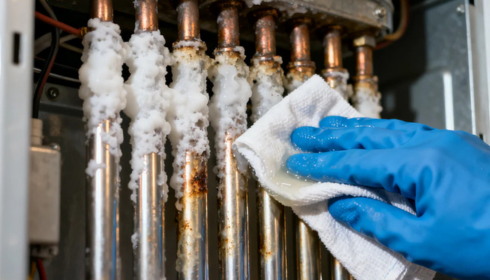
Every time hard water flows through your plumbing system, tiny mineral particles cling to interior surfaces. Over time, they begin forming a crusty, rock-like buildup inside pipes, fixtures, and appliances.
This process happens slowly, which is why homeowners rarely notice it until the damage is already underway.
The Hidden Effects on Your Plumbing System
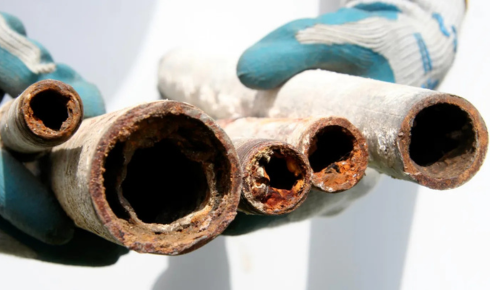
Inside your pipes, hard water minerals accumulate layer by layer. Think of it like plaque building up in arteries. At first, the effect is minimal. But as time passes, the buildup thickens, narrowing the interior space through which water flows.
This narrowing is known as pipe scale, and it’s one of the most common causes of long-term plumbing inefficiency.
Scale doesn’t just affect old homes, either. Even modern plumbing systems can begin showing signs within a few years if water hardness levels are high enough.
When Water Pressure Starts to Change
One of the earliest warning signs of mineral buildup is a subtle drop in water pressure. It’s rarely dramatic. Instead, it’s something you notice gradually—your shower feeling less forceful, faucets taking longer to fill containers, or appliances running slower than usual.
What’s happening is simple physics. As scale accumulates, it reduces the internal diameter of pipes, making it harder for water to pass through.
Over time, this leads to reduced water flow, which forces plumbing systems to work harder to maintain performance.
And when systems work harder, they wear out faster.
The Long-Term Impact on Household Appliances
Hard water doesn’t stop at pipes. It affects every water-using appliance in your home—water heaters, dishwashers, washing machines, coffee makers, even refrigerators with water dispensers.
Inside these devices, mineral buildup coats heating elements and internal components, reducing efficiency and increasing energy consumption.
A water heater, for example, must heat not only water but also the insulating layer of scale surrounding its heating element. This results in longer heating times, higher utility bills, and eventually, premature failure.
It’s no surprise that appliance manufacturers often cite mineral buildup as a major cause of early breakdown.
How Hard Water Can Lead to Plumbing Damage
Over the long term, mineral accumulation can become severe enough to cause structural strain on plumbing systems. Scale deposits create uneven pressure within pipes, and in extreme cases, they can lead to corrosion or cracking.
This type of hard water plumbing damage often goes unnoticed until leaks appear or repairs become unavoidable.
By the time symptoms surface, the underlying buildup may have been developing for years.
That’s what makes hard water such a sneaky problem—it rarely announces itself loudly.
The Effects You Notice Every Day
Beyond plumbing and appliances, hard water leaves visible signs throughout your home.
White spots on glassware. Soap scum in sinks and bathtubs. Stiff laundry that never quite feels clean. Even hair and skin can feel dry after bathing because mineral residue interferes with soap rinsing properly.
These daily frustrations are often dismissed as normal household challenges, but they’re actually clues pointing toward water hardness.
When you step back and connect the dots, the pattern becomes clear.
Why Prevention Matters More Than Repair
Once mineral scale forms inside plumbing, removing it can be difficult and expensive. Professional descaling treatments exist, but they can’t always fully restore systems to their original condition.
That’s why prevention is usually the most effective approach.
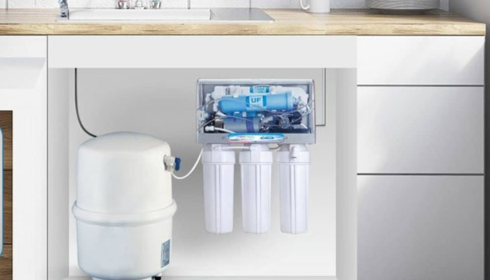
Addressing water hardness early can prevent buildup before it becomes severe. Solutions such as water softeners help reduce mineral concentrations, minimizing scale formation throughout the home.
It’s one of those rare upgrades that quietly protects both comfort and infrastructure at the same time.
The Financial Side of Hard Water
Hard water doesn’t just affect performance—it affects your wallet.
Higher energy bills, frequent appliance repairs, shortened equipment lifespan, and increased cleaning product usage all add up over time.
Many homeowners are surprised to learn just how much hard water costs them annually when all these factors are considered together.
What seems like a minor inconvenience often turns into a significant long-term expense.
A Problem That Grows Slowly—but Steadily
Perhaps the most challenging aspect of hard water is how gradually it works. There’s no dramatic moment when the damage begins. Instead, it builds silently, layer by layer, until its effects become impossible to ignore.
Understanding this slow progression is the first step toward managing it effectively.
When homeowners recognize the signs early, they can take proactive measures that save money, protect plumbing systems, and improve everyday comfort.
The Quiet Value of Better Water Quality
In the end, water quality isn’t something most people think about daily. Yet it influences nearly every aspect of home life—from how efficiently appliances operate to how comfortable daily routines feel.
When water flows freely, appliances run smoothly, and cleaning becomes easier, life feels simpler in ways that are easy to overlook.