REGION 00 / UNCATEGORIZED
How Forex Businesses Can Budget for Marketing and Outsourced Growth
For a U.S. forex business, marketing decisions carry a double cost: every dollar spent must compete for attention in a crowded financial…
Fresh reporting and analysis across all six editorial regions.
For a U.S. forex business, marketing decisions carry a double cost: every dollar spent must compete for attention in a crowded financial…

Shanghai is the best rooftop city in Asia for a simple geographic reason: the Huangpu river separates the colonial waterfront from the new towers, so whichever side you stand on, the view is of the other. Travellers who plan a Shanghai trip with Traveloka should treat this as a two-evening exercise rather than one, because the Bund side and the Pudong side are different experiences. The Bund side, looking at Pudong The restored buildings along the Bund have bars on their upper floors, several in former bank headquarters, and from them the Pudong skyline fills the frame. These are the postcard views and priced accordingly. Arrive before sunset to get a railing position, because standing room along the terraces goes quickly on a clear evening. The Pudong side, looking at the Bund The reverse view is less photographed and arguably better: the Bund’s low, lit, eclectic row against the water, with the old customs house clock audible on the hour. Bars in the Pudong towers deliver it from considerable height. The higher you go the more abstract it becomes, so the mid-level floors are often the better choice. The former French Concession terraces Away from the river, the concession has low-rise rooftop terraces above shikumen lane houses and villas, looking out over plane trees rather than towers. No skyline, much lower prices, and a considerably more relaxed crowd. This is where people who live in Shanghai actually drink outdoors in the warm months. Rooftops with a historical angle A few sit on genuinely old buildings: the Fairmont Peace Hotel at the Bund’s northern end has a jazz bar with a band whose members have been playing there for decades, and a terrace above it. The Park Hotel on People’s Square, briefly the tallest building in Asia in the 1930s, has an upper floor open to visitors. Timing and seasons Rooftop season runs roughly April to early November. July and August are humid enough that outdoor drinking is unpleasant before nine in the evening. Winter closes most terraces entirely. Air quality varies and determines whether a view is worth paying for, so check before committing to an expensive booking. What it costs and what to expect Bund-facing cocktails are priced at international levels and sometimes beyond. Many venues levy a minimum spend for a table at the rail on weekends. Reservations are worth making for any of the river-facing places on a Friday or Saturday, and smart casual is the baseline expectation across all of them. Practical notes Metro lines 2 and 10 serve the Bund and Pudong, and the last trains run around eleven. A transport card is simpler than buying tickets. Taxis are plentiful but drivers rarely speak English, so have the address in Chinese. Traveloka offers the lowest flight prices in the region, and a concession-district hotel is cheaper than a river view. One evening on each side of the river, and a third in the concession if the weather holds. The view of the Bund from Pudong is the one most people miss.

There’s a small moment most of us take for granted: filling a glass of water, taking a sip, and getting on with…
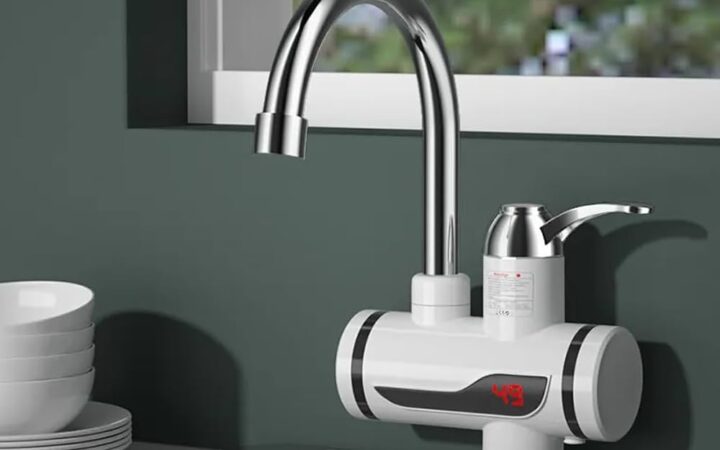
A Comfortable Home Starts With Reliable Plumbing Most people don’t think much about their plumbing when everything works as it should. The…

Most people expect clean, dependable water whenever they turn on a tap. It’s easy to take that convenience for granted until the…

A water treatment system can make a noticeable difference in everyday life. Hard water may leave fewer stubborn marks on bathroom fixtures,…
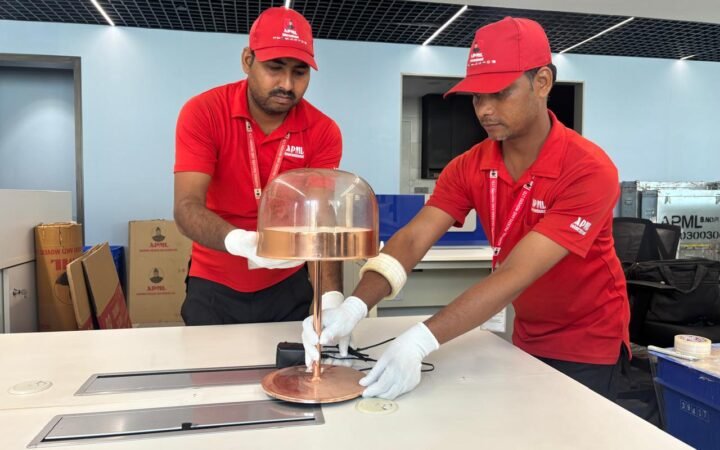
Hyderabad never really stands still. One year you are renting a flat near Gachibowli to be close to your office, and the…

A garage door opener does more than raise and lower a garage door. It controls daily access, supports safety features, and affects how smoothly your garage operates. For homeowners in Rochester Hills, MI, choosing the right opener requires more than comparing horsepower ratings. Common residential openers are typically available in ratings such as 1/2 HP and 3/4 HP, with some higher-capacity models available for heavier applications. For example, a current 1/2 HPc Genie residential model is rated for sectional garage doors up to 350 pounds, while 3/4 HP models are commonly used when greater lifting capacity is needed. The correct rating depends on the door’s actual balanced weight, construction, and manufacturer specifications rather than horsepower alone. When selecting a garage door opener in Rochester Hills, MI, consider how your existing door operates and how often you use it. A properly matched opener reduces unnecessary strain on the door system and provides consistent operation. Understanding the available drive systems, lifting capacity, and safety features helps you make a practical decision based on your home’s specific requirements. How Garage Door Openers Work Garage door openers use an electric motor and drive mechanism to move the door along its tracks. The opener works with the door’s springs, rollers, cables, and other hardware rather than operating independently. Common drive systems include: 1. Chain drive: Uses a metal chain and offers dependable operation for many residential applications. 2. Belt drive: Uses a reinforced belt and typically produces less operating noise. 3. Screw drive: Uses a threaded steel rod to move the trolley and has a relatively simple mechanical design. Current residential screw-drive models remain available, although availability and service support can vary by manufacturer. 4. Direct drive: Uses a motor that travels along a stationary chain, reducing the number of moving components. 5. Wall-mounted or jackshaft: Mounts beside the garage door rather than using a traditional ceiling-mounted powerhead and rail. This configuration can be useful when ceiling space or headroom is limited, or when homeowners want to keep the ceiling clear. The best choice depends on your garage layout, noise preferences, door configuration, available headroom, and expected usage. Signs Your Garage Door Opener Needs Attention An opener does not always fail suddenly. Changes in performance often provide an early warning that inspection or replacement is needed. Watch for signs such as: A. The door reverses unexpectedly B. The motor struggles to lift the door C. Operation becomes unusually loud D. The opener responds slowly to the remote E. The door stops before reaching the correct position F. The opener works intermittently G. Safety sensors fail to respond properly It is important to distinguish an opener problem from an issue with the garage door itself. Broken springs, damaged rollers, misaligned tracks, or excessive door weight also affect opener performance.…

Plumbing problems rarely happen at a convenient time. A slow drain can become a complete blockage, while a small leak under a sink can lead to water damage if ignored. Dallas properties also deal with plumbing concerns related to aging pipes, hard water, clogged sewer lines, and seasonal changes. Knowing what to look for when hiring a plumber helps you address problems before they become more expensive repairs. When comparing plumbing companies in Dallas, TX, focus on experience, service range, communication, and the ability to identify the actual cause of a problem. This guide focuses on residential plumbing needs, helping homeowners compare services based on the condition of their plumbing system and the type of repair required. A professional plumber should inspect the affected system, explain the issue clearly, and recommend a practical repair based on the condition of the plumbing rather than suggesting unnecessary work. Common Plumbing Problems in Dallas Homes Some plumbing issues appear frequently in residential properties. Recognizing early warning signs helps you respond before the problem worsens. a) Leaking faucets: Constant dripping wastes water and often indicates worn internal components. b) Clogged drains: Slow drainage in sinks, tubs, or showers often points to buildup inside the drain line. c) Running toilets: A toilet that continues running after flushing can waste significant amounts of water. d) Low water pressure: Reduced pressure can result from mineral buildup, damaged pipes, or problems within the plumbing system. e) Water heater problems: Inconsistent hot water, unusual sounds, or visible leaks require prompt attention. When Professional Plumbing Service Is Necessary A basic plunger or drain cleaner is not always the right solution. Repeated clogs, sewage odors, water stains, or unexplained increases in water usage deserve closer attention. These signs often indicate a problem deeper within the plumbing system. Professional plumbers use diagnostic methods to locate problems without relying solely on guesswork. For example, sewer camera inspections help identify obstructions, damaged sections, root intrusion, and other conditions inside underground lines. Slab leak detection can help locate hidden leaks beneath a home’s foundation, while tunnelling under a slab may be necessary when repairs require access to buried plumbing. For severe drain blockages, hydro jetting can remove stubborn buildup from interior pipe walls. In older Dallas homes, cast-iron drain line replacement may also be appropriate when deteriorated pipes can no longer be reliably repaired. Accurate diagnosis allows you to understand the repair needed before work begins. What to Check Before Hiring a Plumber The right plumber should provide more than a quick fix. Before scheduling service, consider several practical factors. First, verify that the plumbing professional is properly licensed and insured for the work being performed. In Texas, plumbing licenses are administered by the Texas State Board of Plumbing Examiners (TSBPE). The agency issues four plumbing license types: Tradesman Plumber-Limited, Journeyman Plumber, Master Plumber, and Plumbing Inspector. Ask the company for the name and license number of its Responsible Master Plumber (RMP), then verify the license through the TSBPE’s public license search. You can also ask whether the company has a current certificate of insurance on file with the TSBPE. Ask whether the company has experience handling the specific issue affecting your property. It is also useful to request a clear explanation of the recommended repair and the expected scope of work. You should also pay attention to communication. A plumber who explains findings in straightforward language makes it easier for you to make an informed decision. Written estimates and clearly defined service details can also reduce misunderstandings. Preventive Plumbing Maintenance Regular maintenance helps reduce unexpected plumbing problems. Check visible pipes periodically for moisture, corrosion, or damage. Avoid flushing items that do not belong in toilets, and use drain strainers to limit hair and debris entering household drains. Water heaters also deserve routine attention. Inspect the area around the unit for leaks and unusual moisture. If your property has an expansion tank, have it inspected as part of routine water heater maintenance. If your property has older plumbing, periodic professional inspections can help identify developing problems before they affect walls, floors, or other parts of the building. Choosing the Right Plumbing Service Choosing plumbing companies in Dallas, TX should start with the condition of your plumbing system and the specific service you need. Look for qualified professionals who provide clear explanations, accurate diagnosis, and appropriate repair options. If you notice persistent leaks, drainage problems, sewer odors, or other unusual plumbing symptoms, schedule an inspection before a minor issue develops into a major repair.

Healthy trees need more than water and sunlight. Regular maintenance helps control unwanted growth, remove damaged limbs, and maintain a stable structure. In residential neighborhoods throughout Poinciana, trees also grow close to homes, driveways, sidewalks, fences, and utility lines, making thoughtful pruning an important part of property care. When considering tree pruning in Poinciana, FL, it is important to understand that pruning is not simply cutting branches that look inconvenient. Each cut affects the tree’s structure and future growth. Proper pruning focuses on removing specific branches while preserving the tree’s natural form and minimizing unnecessary stress. Pruning and trimming are related but are not always the same thing. Pruning generally refers to the selective removal of branches to improve tree health, structure, safety, or long-term development. Trimming is often used more broadly for controlling overgrowth, maintaining clearance, or improving appearance. Understanding this distinction helps property owners choose the right type of tree care instead of treating every branch-removal job the same way. When Should Trees in Poinciana Be Pruned? The right pruning schedule depends on the tree species, its condition, location, and growth pattern. Routine inspections help you identify problems before branches become hazardous or difficult to manage. For common Central Florida landscape trees, timing can vary considerably. Citrus trees are generally best pruned in early spring, while royal poinciana benefits from structural pruning before spring regrowth, typically around late March into April. Palms do not have one universally preferred pruning season and should not be heavily cut back simply to prepare for hurricanes. Live oak pruning should focus on developing and maintaining strong branch structure rather than following a single calendar date. Species, tree condition, weather, and the purpose of the pruning should all be considered before scheduling work. Watch for signs such as: A. Dead or broken branches B. Branches rubbing against each other C. Dense growth blocking visibility D. Limbs extending toward structures E. Weak branch attachments F. Water sprouts or excessive vertical shoots G. Branches interfering with walkways or driveways Storms also deserve attention. Strong winds and heavy rainfall can break limbs or expose structural weaknesses. After severe weather, inspect trees from a safe distance and arrange a professional assessment if you notice significant damage. How Proper Pruning Supports Tree Health Strategic pruning improves the overall structure of a tree by removing selected branches that interfere with healthy development. Removing dead or diseased wood also limits the presence of damaged material within the canopy. Good pruning practices focus on branch selection rather than excessive cutting. Removing too much live growth at once places unnecessary stress on a tree and can encourage weak or undesirable regrowth. Pruning cuts should also be made correctly. Improper cuts, including cuts that damage the branch collar, can interfere with the tree’s natural ability to compartmentalize wounds. This is why large or complicated pruning jobs require knowledge of tree biology and proper cutting techniques. Professional pruning should also follow recognized industry standards, including ANSI A300 tree care standards, which establish accepted practices for tree care operations and pruning. When selecting a tree care professional, homeowners can also ask whether the person performing or supervising the work is an ISA Certified Arborist rather than assuming certification. Pruning Trees Near Homes and Utility Lines Location is one of the most important factors when deciding how a tree should be pruned. Branches growing toward a roof, exterior wall, driveway, or power line require careful planning.…