NEWSALERTLOOM

Independent business & news intelligence

Premium News Atlas
NewsalertloomTHE PREMIUM NEWS ATLAS
REGION 00EXPANDED EDITORIAL TERRITORY

Home Services

Home Services reporting, analysis and context from Newsalertloom.

← Back to Atlas Cover
Home Services / LATEST

Stories from this region

plumbing companies in Dallas, TX
REGION 00 / HOME SERVICES

Plumbing Companies in Dallas, TX: How to Choose the Right Service

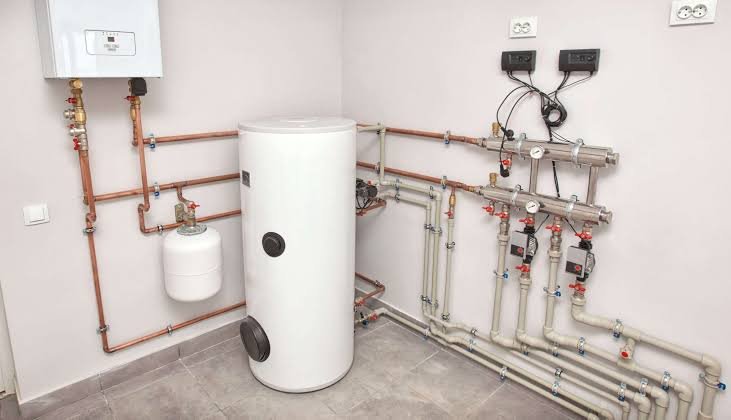
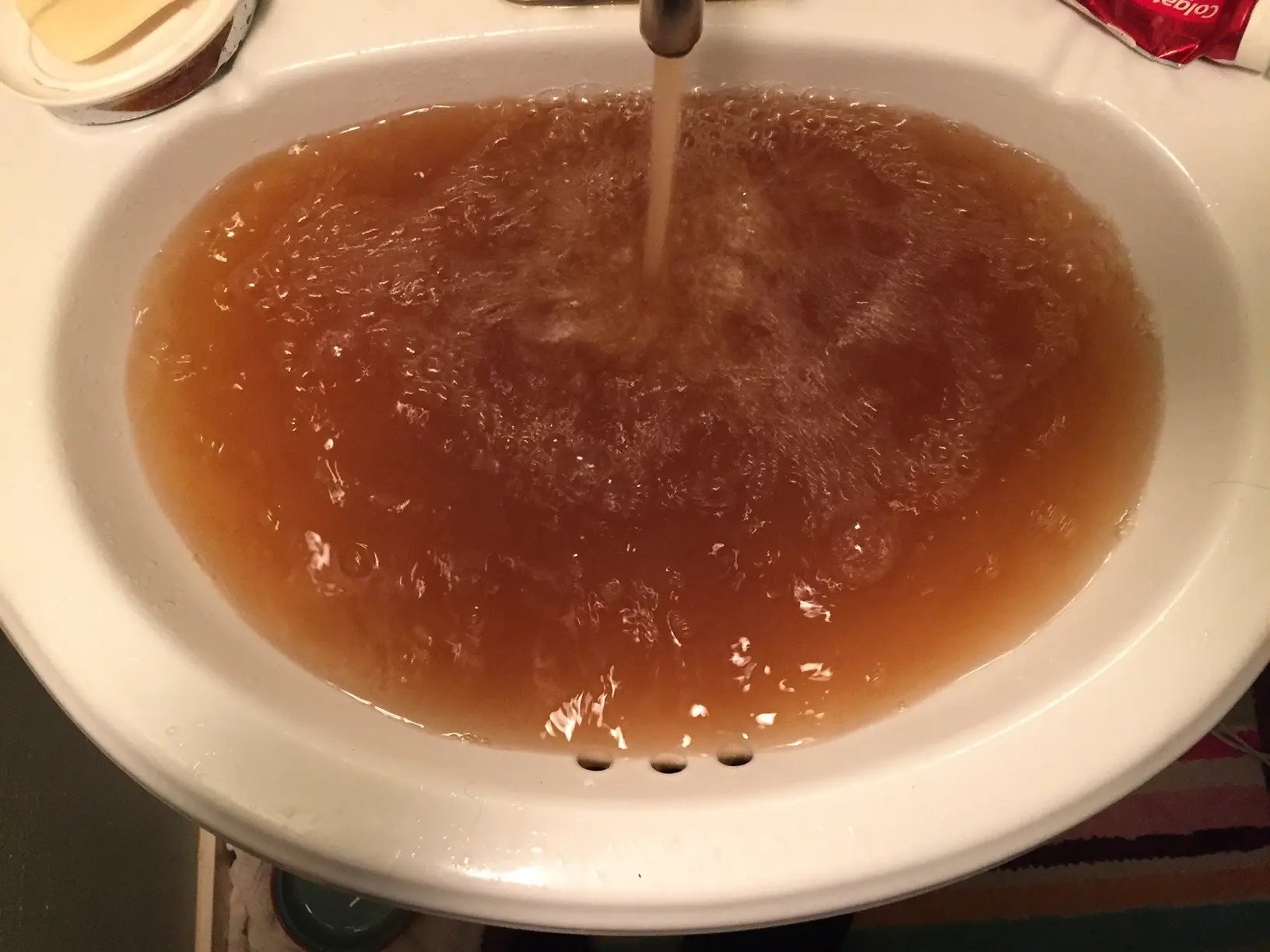
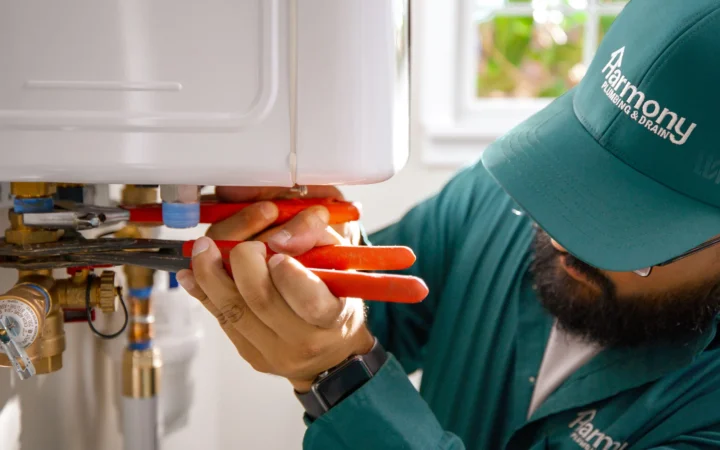
Plumbing problems rarely happen at a convenient time. A slow drain can become a complete blockage, while a small leak under a sink can lead to water damage if ignored. Dallas properties also deal with plumbing concerns related to aging pipes, hard water, clogged sewer lines, and seasonal changes. Knowing what to look for when hiring a plumber helps you address problems before they become more expensive repairs. When comparing plumbing companies in Dallas, TX, focus on experience, service range, communication, and the ability to identify the actual cause of a problem. This guide focuses on residential plumbing needs, helping homeowners compare services based on the condition of their plumbing system and the type of repair required. A professional plumber should inspect the affected system, explain the issue clearly, and recommend a practical repair based on the condition of the plumbing rather than suggesting unnecessary work. Common Plumbing Problems in Dallas Homes Some plumbing issues appear frequently in residential properties. Recognizing early warning signs helps you respond before the problem worsens. a) Leaking faucets: Constant dripping wastes water and often indicates worn internal components. b) Clogged drains: Slow drainage in sinks, tubs, or showers often points to buildup inside the drain line. c) Running toilets: A toilet that continues running after flushing can waste significant amounts of water. d) Low water pressure: Reduced pressure can result from mineral buildup, damaged pipes, or problems within the plumbing system. e) Water heater problems: Inconsistent hot water, unusual sounds, or visible leaks require prompt attention. When Professional Plumbing Service Is Necessary A basic plunger or drain cleaner is not always the right solution. Repeated clogs, sewage odors, water stains, or unexplained increases in water usage deserve closer attention. These signs often indicate a problem deeper within the plumbing system. Professional plumbers use diagnostic methods to locate problems without relying solely on guesswork. For example, sewer camera inspections help identify obstructions, damaged sections, root intrusion, and other conditions inside underground lines. Slab leak detection can help locate hidden leaks beneath a home’s foundation, while tunnelling under a slab may be necessary when repairs require access to buried plumbing. For severe drain blockages, hydro jetting can remove stubborn buildup from interior pipe walls. In older Dallas homes, cast-iron drain line replacement may also be appropriate when deteriorated pipes can no longer be reliably repaired. Accurate diagnosis allows you to understand the repair needed before work begins. What to Check Before Hiring a Plumber The right plumber should provide more than a quick fix. Before scheduling service, consider several practical factors. First, verify that the plumbing professional is properly licensed and insured for the work being performed. In Texas, plumbing licenses are administered by the Texas State Board of Plumbing Examiners (TSBPE). The agency issues four plumbing license types: Tradesman Plumber-Limited, Journeyman Plumber, Master Plumber, and Plumbing Inspector. Ask the company for the name and license number of its Responsible Master Plumber (RMP), then verify the license through the TSBPE’s public license search. You can also ask whether the company has a current certificate of insurance on file with the TSBPE. Ask whether the company has experience handling the specific issue affecting your property. It is also useful to request a clear explanation of the recommended repair and the expected scope of work. You should also pay attention to communication. A plumber who explains findings in straightforward language makes it easier for you to make an informed decision. Written estimates and clearly defined service details can also reduce misunderstandings. Preventive Plumbing Maintenance Regular maintenance helps reduce unexpected plumbing problems. Check visible pipes periodically for moisture, corrosion, or damage. Avoid flushing items that do not belong in toilets, and use drain strainers to limit hair and debris entering household drains. Water heaters also deserve routine attention. Inspect the area around the unit for leaks and unusual moisture. If your property has an expansion tank, have it inspected as part of routine water heater maintenance. If your property has older plumbing, periodic professional inspections can help identify developing problems before they affect walls, floors, or other parts of the building. Choosing the Right Plumbing Service Choosing plumbing companies in Dallas, TX should start with the condition of your plumbing system and the specific service you need. Look for qualified professionals who provide clear explanations, accurate diagnosis, and appropriate repair options. If you notice persistent leaks, drainage problems, sewer odors, or other unusual plumbing symptoms, schedule an inspection before a minor issue develops into a major repair.

tree pruning in Poinciana,
REGION 00 / HOME SERVICES

Tree Pruning in Poinciana, FL: A Practical Guide to Healthier Trees

Healthy trees need more than water and sunlight. Regular maintenance helps control unwanted growth, remove damaged limbs, and maintain a stable structure. In residential neighborhoods throughout Poinciana, trees also grow close to homes, driveways, sidewalks, fences, and utility lines, making thoughtful pruning an important part of property care. When considering tree pruning in Poinciana, FL, it is important to understand that pruning is not simply cutting branches that look inconvenient. Each cut affects the tree’s structure and future growth. Proper pruning focuses on removing specific branches while preserving the tree’s natural form and minimizing unnecessary stress. Pruning and trimming are related but are not always the same thing. Pruning generally refers to the selective removal of branches to improve tree health, structure, safety, or long-term development. Trimming is often used more broadly for controlling overgrowth, maintaining clearance, or improving appearance. Understanding this distinction helps property owners choose the right type of tree care instead of treating every branch-removal job the same way. When Should Trees in Poinciana Be Pruned? The right pruning schedule depends on the tree species, its condition, location, and growth pattern. Routine inspections help you identify problems before branches become hazardous or difficult to manage. For common Central Florida landscape trees, timing can vary considerably. Citrus trees are generally best pruned in early spring, while royal poinciana benefits from structural pruning before spring regrowth, typically around late March into April. Palms do not have one universally preferred pruning season and should not be heavily cut back simply to prepare for hurricanes. Live oak pruning should focus on developing and maintaining strong branch structure rather than following a single calendar date. Species, tree condition, weather, and the purpose of the pruning should all be considered before scheduling work. Watch for signs such as: A. Dead or broken branches B. Branches rubbing against each other C. Dense growth blocking visibility D. Limbs extending toward structures E. Weak branch attachments F. Water sprouts or excessive vertical shoots G. Branches interfering with walkways or driveways Storms also deserve attention. Strong winds and heavy rainfall can break limbs or expose structural weaknesses. After severe weather, inspect trees from a safe distance and arrange a professional assessment if you notice significant damage. How Proper Pruning Supports Tree Health Strategic pruning improves the overall structure of a tree by removing selected branches that interfere with healthy development. Removing dead or diseased wood also limits the presence of damaged material within the canopy. Good pruning practices focus on branch selection rather than excessive cutting. Removing too much live growth at once places unnecessary stress on a tree and can encourage weak or undesirable regrowth. Pruning cuts should also be made correctly. Improper cuts, including cuts that damage the branch collar, can interfere with the tree’s natural ability to compartmentalize wounds. This is why large or complicated pruning jobs require knowledge of tree biology and proper cutting techniques. Professional pruning should also follow recognized industry standards, including ANSI A300 tree care standards, which establish accepted practices for tree care operations and pruning. When selecting a tree care professional, homeowners can also ask whether the person performing or supervising the work is an ISA Certified Arborist rather than assuming certification. Pruning Trees Near Homes and Utility Lines Location is one of the most important factors when deciding how a tree should be pruned. Branches growing toward a roof, exterior wall, driveway, or power line require careful planning.…

fireplace repair services in Dubuque
REGION 00 / HOME SERVICES

Fireplace Repair Services in Dubuque, IA: A Practical Guide for Homeowners

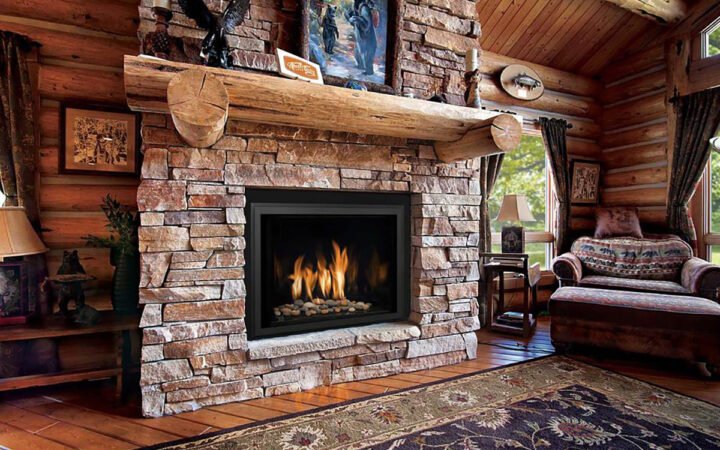
A fireplace adds warmth and comfort to a home during the cold months in Dubuque, IA. However, regular use exposes fireplace components to heat, soot, moisture, and general wear. Small problems often become more serious when they remain unnoticed. Understanding common fireplace issues helps you recognize problems early and take appropriate steps before using the system again. When your fireplace shows signs of damage, professional fireplace repair services in Dubuque, IA provide an important solution for identifying and repairing problems with gas fireplace components and related operating systems. Technicians can inspect components such as gas valves, thermocouples or thermopiles, pilot assemblies, gas logs, glass fronts, and blower kits, depending on the fireplace design. Proper repairs address more than appearance. They focus on safe operation, combustion, ventilation, and the components that affect fireplace performance and household safety. Gas vs. Wood-Burning Fireplaces: Why the Difference Matters Gas and wood-burning fireplaces require different types of inspection, maintenance, and repair. Gas fireplaces commonly use components such as gas valves, thermocouples, thermopiles, pilot assemblies, gas logs, glass fronts, and blower kits. Direct-vent and B-vent gas fireplaces also use different venting arrangements, so the fireplace type should be identified before service is performed. Wood-burning fireplaces create different maintenance concerns. Burning wood produces smoke and creosote, which can accumulate inside the chimney and increase the risk of a chimney fire. Masonry, fireboxes, dampers, and chimney passages also require attention when deterioration or blockage is present. Understanding whether a fireplace burns gas or wood helps homeowners seek the appropriate service instead of treating both systems as though they have the same repair needs. Common Signs Your Fireplace Needs Repair Some fireplace problems are easy to notice, while others develop gradually. Pay attention to changes in appearance, operation, and airflow. Gas Fireplace Component Problems Gas fireplace problems can involve a pilot assembly that will not stay lit, a faulty thermocouple or thermopile, a malfunctioning gas valve, damaged gas logs, a cracked glass front, or a blower kit that does not operate properly. Changes in flame appearance, difficulty starting the fireplace, unusual odors, or inconsistent operation require professional attention. Cracks, Creosote, and Damaged Masonry For wood-burning fireplaces, cracked bricks, loose mortar, damaged fireboxes, or deteriorating surfaces require attention. High temperatures place repeated stress on masonry. Water exposure during freezing weather also contributes to deterioration in exterior areas. Creosote is another important concern for wood-burning systems. This combustible residue can build up inside the chimney as wood burns. Regular chimney inspection and cleaning help identify and remove creosote before excessive accumulation creates a greater fire hazard. Unusual Smoke or Odors Smoke entering the room instead of moving through the chimney indicates a ventilation concern in a wood-burning system. Persistent unusual odors also deserve attention, especially when they appear during fireplace operation. For gas fireplaces, a gas odor should be treated as an urgent safety concern rather than as a normal fireplace smell. Difficulty Starting or Maintaining a Fire Problems with airflow often affect how efficiently a wood fire burns. Excessive smoke, weak flames, or unusual burning patterns indicate that the fireplace system needs inspection. For gas fireplaces, difficulty starting or maintaining operation may be related to the pilot assembly, thermocouple, thermopile, gas valve, ignition system, or other operating components. Damaged Doors, Glass, or Dampers A damaged fireplace door or cracked glass front creates operational concerns, while a faulty damper interferes with airflow in systems that use one. These components should operate smoothly and fit properly. Why Fireplace Problems Require Prompt Attention A damaged fireplace involves more than comfort. Cracks, blocked passages, poor ventilation, deteriorated components, and excessive creosote increase safety concerns inside the home. Carbon monoxide exposure is another serious concern when combustion gases do not exit the house properly. Carbon monoxide detectors should be installed on each level of the home and near sleeping areas according to applicable safety guidance and manufacturer instructions. Homeowners should never ignore a carbon monoxide alarm. If the alarm sounds, leave the home immediately, move to fresh air, and contact emergency services or the appropriate emergency authority from a safe location. Do not re-enter until the home has been determined to be safe.…