how to improve air circulation in a room without windows
There’s something about fresh air that just changes the vibe of a room. It perks you up. It makes the space feel alive. But what if you’re dealing with a room that doesn’t have a single window? Maybe it’s a basement bedroom, a converted storage space, or that one awkward room in the middle of the house that somehow missed out on natural ventilation. Whatever the case, stale air can really cramp your comfort.
But don’t worry—you’re not doomed to live in a stagnant, musty box. There are surprisingly effective ways to improve airflow and freshness, even in a sealed space. Let’s unpack some real, practical ideas for how to bring life back into that closed-off room.
First, Why Is Ventilation Even Important?
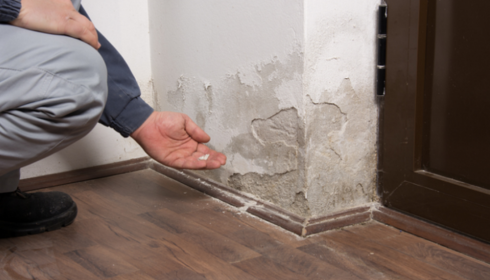
We tend to underestimate how much of a difference air circulation makes. Without it, moisture builds up, odors linger, and the room starts feeling… well, stuffy. Over time, poor ventilation can lead to mould, mildew, and even health issues from trapped pollutants. That’s why figuring out how to improve air circulation in a room without windows isn’t just about comfort—it’s also about wellness.
1. Use an Exhaust Fan (Yes, Even If It’s Not a Bathroom)
When you think “exhaust fan,” you probably picture bathrooms. But these handy devices can do wonders elsewhere, too. Mount one near the ceiling (since hot air rises), and it’ll help pull stale air out of the room. Pair it with a vent or gap under the door to allow fresh air to sneak in.
A well-placed exhaust fan can quietly and consistently move air through the space—no window required. And bonus: they’re usually energy-efficient and pretty quiet these days.
2. Air Purifiers Aren’t Just for Allergies
Let’s clear one thing up: an air purifier doesn’t bring in fresh air from outside, but it does keep the air in your room from getting gross. Dust, pet dander, mould spores, and odours all get filtered out, which makes the environment feel a lot fresher. Some models even have carbon filters that help neutralize smells, which can be a lifesaver in a musty room.
While it’s not a complete solution for how to ventilate a room without windows, it’s a solid start that makes the air feel noticeably cleaner.
3. Cross-Ventilate… Creatively
I know—“cross-ventilation” sounds ridiculous when there’s not a single window in the room. But stick with me. If the room shares a wall with another room that has a window, consider installing a through-wall vent or even a small transfer fan. These can push or pull air between spaces, creating a sort of artificial airflow loop.
Even opening the door for a few hours a day and using a pedestal fan can mimic this effect. Angle the fan to pull air out of the room while another fan pushes air in from the hallway or adjacent space.
4. Ceiling Fans: Not Just for Living Rooms
A ceiling fan doesn’t add new air, but it helps move the existing air around, which can prevent the buildup of heat, humidity, and stale zones. Set the blades to rotate counterclockwise in the summer (pushing air down) and clockwise in the winter (pulling air up and circulating warm air).
You’d be amazed how much of a difference this makes in what feels like a dead room. It helps maintain a steady flow, and honestly, it just makes the place feel more “alive.”
5. Go Green—Literally
Plants might not ventilate a room in the traditional sense, but they absolutely improve air quality. Some indoor plants are known for their air-purifying abilities—like snake plants, peace lilies, and pothos. Just make sure the room gets at least some indirect light, or opt for low-light-friendly options.
While plants won’t solve every ventilation issue, they do offer a natural way to combat the stale atmosphere in air ventilation for closed room scenarios, plus they make the space more welcoming.
6. Portable AC Units with Venting Options
If the space allows, consider a portable AC unit—many of them come with vent kits that can be installed through a wall or ceiling instead of a traditional window. These units both cool the room and help dehumidify, which is crucial in closed areas where moisture can creep up quickly.
Just make sure the exhaust is properly installed so you’re not dumping warm, moist air back into the room.
7. Dehumidifiers Are the Unsung Heroes
Speaking of moisture—humidity is a major culprit when a windowless room starts feeling gross. Even if it doesn’t feel damp, the trapped air can cause invisible humidity buildup that leads to mould or that awful “wet towel” smell.
A compact dehumidifier can quietly pull that moisture out of the air and make the room feel crisper and cleaner. It’s especially important in places like basements, where ventilation is tricky to begin with.
8. Crack the Door—Frequently
This might sound ridiculously simple, but leaving the door open—even just a few hours a day—can massively help. Combine that with a small oscillating fan blowing outward from the room, and you’re encouraging passive airflow in and out.
If privacy’s a concern, try using a door vent or louvers to keep the air moving without sacrificing solitude.
When people ask how to ventilate a room without windows, this kind of passive airflow strategy is often the easiest and most budget-friendly option. It won’t overhaul the entire atmosphere on its own, but it definitely supports the other methods.
The Layered Approach Is the Secret Sauce
The thing is, no single solution will magically transform your windowless room into a breezy oasis. The best strategy is to combine a few techniques. Use a fan, add an air purifier, throw in some greenery, crack the door when you can. It’s all about layering simple actions that work together to keep things moving.
Think of it like building a toolkit. Each item—whether it’s a vent fan or a houseplant—plays a role. Over time, these small shifts add up to a big improvement.
Final Thoughts
Living or working in a windowless room doesn’t mean you have to settle for stale air and that weird damp smell. With a few clever tricks and tools, you can turn even the most closed-off space into one that feels fresh, clean, and comfortable.
So next time you find yourself wondering how to improve air circulation in a room without windows, don’t stress. Open the door, flip on a fan, and take it one breath at a time. It’s totally doable—and your lungs will thank you for it.