sediment filters
There’s a certain confidence that comes with turning on the tap and not thinking twice. You fill a glass, take a sip, and move on with your day. But if we’re honest, a lot of us have had that moment of hesitation — a faint smell, a slightly off taste, maybe a bit of cloudiness swirling at the bottom of the glass.
It’s not dramatic. It’s not always dangerous. It’s just… enough to make you curious.
That curiosity often leads people to filtration. And somewhere along the way, they realize something important: water issues aren’t usually solved with a single, simple fix. That’s where multi-stage filtration starts to make real sense.
Not All Contaminants Are the Same
Water can carry a mix of things, depending on where you live. In some areas, sediment from aging pipes or well systems is the primary concern. In others, chlorine used for disinfection affects taste and odor. Some households deal with both.
The problem is, different contaminants require different treatment methods. A filter designed to trap particles won’t necessarily remove dissolved chemicals. And one that improves taste may not address grit or debris.
Layered filtration systems approach the issue step by step, tackling each category of impurity in sequence rather than trying to do everything at once.
The First Line of Defense: Sediment
Before addressing taste or dissolved solids, many systems begin with sediment filters. These are often the unsung heroes of water treatment.
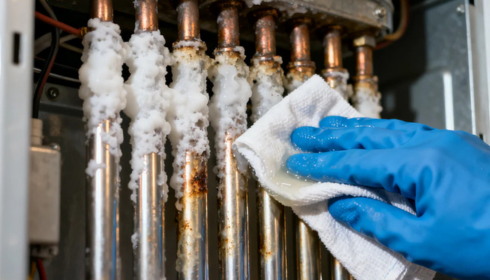
Sediment filters trap larger particles — things like sand, rust flakes, or debris stirred up during municipal repairs. Even if you don’t see visible particles in your water, these tiny bits can travel through plumbing and settle inside appliances.
Over time, that buildup affects water heaters, washing machines, and dishwashers. By catching sediment early, you’re not just improving clarity — you’re protecting your home’s infrastructure.
It’s a simple concept, but it has long-term impact.
Addressing Taste and Odor
Once sediment is under control, attention often shifts to flavor. Chlorine, while essential for municipal disinfection, can leave behind a distinct scent. Some people barely notice it. Others find it unpleasant.
That’s where carbon filters come in. Activated carbon works by adsorbing chlorine and certain organic compounds, significantly improving taste and odor.
It’s one of the most noticeable changes homeowners report. Coffee tastes smoother. Ice cubes lose their faint chemical hint. Even plain water feels more refreshing.
Carbon filtration doesn’t remove everything — and it’s not meant to. It’s one layer in a broader system.
Why One Filter Isn’t Enough
Imagine trying to clean a muddy window with only a dry cloth. You’d smear the dirt around, maybe improve things slightly, but not fully resolve the problem. Effective cleaning often requires steps — rinse, scrub, polish.
Water treatment works similarly.
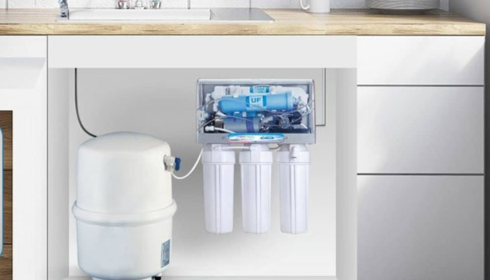
By combining sediment removal with carbon filtration — and sometimes additional stages like reverse osmosis membranes — layered systems handle multiple challenges in sequence. Each stage supports the next.
This approach is especially useful in areas where water quality fluctuates seasonally. Heavy rains can increase sediment levels. Infrastructure repairs might temporarily affect clarity.
A multi-stage setup adapts more effectively than a single filter trying to handle everything.
Maintenance: The Reality Check
No matter how sophisticated the system, filters don’t last forever. Sediment cartridges clog over time. Carbon media becomes saturated.
Maintenance isn’t glamorous, but it’s essential. Replacing filters on schedule ensures consistent performance and protects downstream components.
The good news? Most systems follow predictable replacement intervals — often every six to twelve months. Setting reminders or keeping spare filters on hand makes upkeep manageable.
Skipping maintenance, on the other hand, can reduce efficiency and negate the benefits you invested in.
Matching Filtration to Your Home
Every home’s water is slightly different. Municipal systems provide annual reports, and private well owners can arrange lab testing for detailed analysis.
Before choosing any filtration system, testing provides clarity. It helps you avoid overcomplicating things — or underestimating the problem.
In some cases, sediment and carbon filtration are enough. In others, additional stages may be necessary. The key is tailoring the system to your actual needs rather than buying the most advanced option available.
More stages don’t automatically mean better water. Relevance matters.
The Subtle Benefits
Water filtration doesn’t usually create dramatic before-and-after moments. Instead, it offers steady improvements.
You notice when your showerhead doesn’t clog as quickly. When your dishwasher leaves fewer spots. When your drinking water tastes clean without hesitation.
These small shifts accumulate over time.
A Thoughtful Approach
Water is foundational. It runs through nearly every part of daily life. Improving it doesn’t require turning your home into a science lab.
It requires understanding what’s present in your water and addressing each concern thoughtfully — step by step.
Layered filtration systems do exactly that. They don’t rely on one miracle component. They build effectiveness gradually, handling sediment, taste, and other factors in sequence.
And sometimes, that steady, methodical approach is exactly what makes the difference.
Because at the end of the day, better water isn’t about complexity. It’s about confidence — the quiet assurance that what flows from your tap is clean, clear, and ready for whatever your day brings.