water filtration systems
Most of us don’t think much about water until something feels off. A faint chemical smell in the shower. Spots on freshly washed glasses. Skin that feels tight after a bath. It’s subtle at first, easy to dismiss. “It’s just water,” we tell ourselves. But the truth is, water runs through every part of daily life — and when it’s not at its best, neither are we.
Over the last decade, more homeowners have started paying attention to what’s actually coming through their taps. Not in a dramatic, fear-driven way. More like a quiet realization that clean, reliable water is worth investing in. After all, we drink it, cook with it, bathe in it, and trust it with our appliances. That’s a lot of responsibility for something we rarely question.
What’s Really in Your Tap Water?
Municipal water supplies are regulated and tested, which is reassuring. But regulation doesn’t mean perfection. Water can pick up contaminants along the way — from aging pipes, agricultural runoff, or even the chemicals used during treatment itself.
Chlorine, for example, is widely used to disinfect public water systems. It does an important job. But it can also leave behind an unmistakable taste and odor. If you’ve ever filled a glass and caught a whiff that reminds you of a swimming pool, you know exactly what I mean.
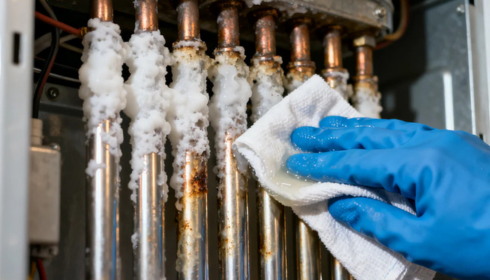
Then there’s sediment — tiny particles of rust or debris that sneak in from older plumbing. And depending on where you live, mineral content might be high enough to cause scale buildup over time.
It’s not about panic. It’s about awareness.
Why Homeowners Turn to Filtration
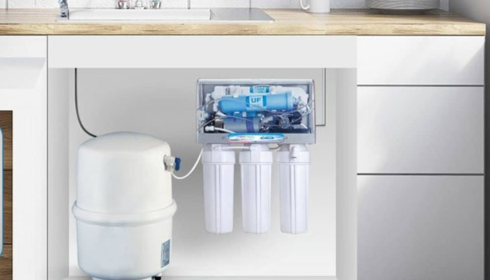
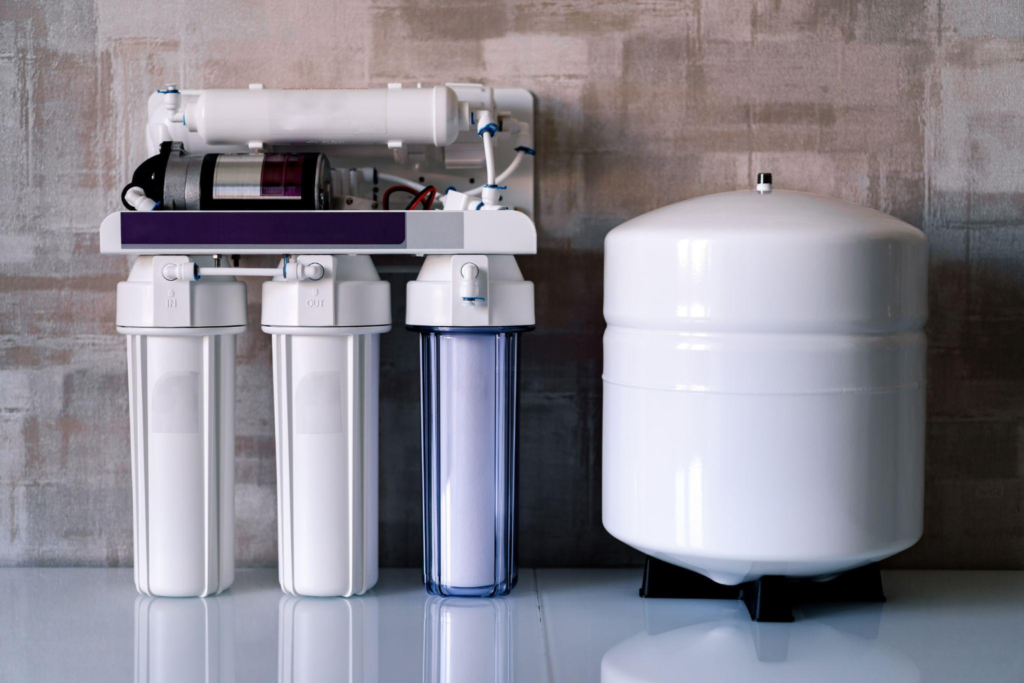
When people start researching solutions, they quickly discover just how many water filtration systems are available. It can feel overwhelming. Countertop pitchers, faucet attachments, under-sink units, reverse osmosis setups — the list goes on.
The goal, though, is usually simple: cleaner water with fewer impurities and better taste. And maybe, just maybe, fewer worries.
Filtration works by passing water through specialized media that trap or neutralize contaminants. Carbon filters, for instance, are excellent at improving taste and odor. Sediment filters catch physical particles. More advanced systems can remove dissolved solids and certain heavy metals.
The key is matching the system to your home’s specific needs. A water test is often the best place to start. It takes the guesswork out of the equation.
The Case for Treating the Entire Home
Some homeowners focus only on drinking water. That makes sense — after all, that’s what we ingest. But water quality affects more than what goes into your glass.
Showers, laundry, dishwashers, even the pipes themselves all interact with the water flowing through your home. That’s where whole house filters come into play.
Installed at the point where water enters your home, these systems treat everything — from kitchen sink to bathroom faucet. It means cleaner water for bathing, cooking, and cleaning. It can also help extend the lifespan of appliances by reducing sediment and certain contaminants before they reach sensitive components.
There’s something satisfying about knowing that every tap in your house delivers treated water. It’s a holistic approach, rather than a patchwork solution.
Addressing That Chlorine Smell
Let’s talk specifically about chlorine reduction, because it’s one of the most common reasons people invest in filtration. Chlorine does its job well in municipal systems, but it doesn’t just disappear when it reaches your faucet.
Beyond taste and smell, chlorine can dry out skin and hair. Some people notice irritation, especially if they already have sensitive skin. Others simply don’t like the idea of showering in chemically treated water.
Carbon filtration is particularly effective here. Activated carbon traps chlorine molecules, improving both flavor and odor. The difference can be surprisingly noticeable — water tastes fresher, showers feel gentler, and even ice cubes lose that faint chemical note.
It’s a small shift, but once you experience it, it’s hard to go back.
Long-Term Benefits Beyond Taste
While improved flavor is often the first thing people notice, filtration can offer other advantages. Reducing sediment helps protect plumbing and appliances from wear. Cleaner water can mean less soap scum and fewer hard water spots.
And there’s the peace-of-mind factor. Even if your local water meets safety standards, adding an extra layer of protection feels proactive. It’s a way of taking control over something fundamental.
There’s also an environmental angle. Many families who install filtration systems cut back significantly on bottled water. Fewer plastic bottles. Less waste. It’s a small but meaningful step toward sustainability.
Maintenance Matters
No filtration system is truly “set it and forget it.” Filters need replacement. Cartridges clog over time. Ignoring maintenance can reduce effectiveness.
Fortunately, most systems make upkeep straightforward. Replacement schedules are clearly outlined, and many modern units include reminders or indicators. It’s a minor commitment compared to the long-term benefits.
Think of it like changing the oil in your car. Routine care prevents bigger problems down the road.
Finding What Works for You
There isn’t a universal solution for every household. A small apartment might only need a compact under-sink filter. A larger home with well water may benefit from a more comprehensive setup.
What matters most is understanding your water and your priorities. Taste? Appliance longevity? Skin sensitivity? Start there.
Water is easy to overlook because it’s so constant. But that constancy is exactly why it deserves attention. Improving it, even slightly, can have a ripple effect throughout your home.
At the end of the day, investing in better water isn’t about fear or perfection. It’s about comfort. Confidence. The quiet satisfaction of knowing that something essential — something you rely on every single day — is working in your favor rather than against you.