Rust Stains, Rotten-Egg Odors, and Gritty Water: Solving Common Well Water Problems in Lancaster
Living in the Pennsylvania countryside has its advantages, from peaceful surroundings to the independence of owning a private well. But that independence can lose some of its charm when your tap water smells unpleasant, orange stains keep appearing in the bathroom, or tiny particles settle at the bottom of your drinking glass.
For many homeowners throughout Lancaster and Southeastern Pennsylvania, these concerns are a reminder that groundwater quality deserves regular attention. Fortunately, effective treatment doesn’t necessarily involve replacing your entire water supply system.
Understanding what’s causing each problem allows you to make informed decisions about filtration equipment, maintenance, and possible well repairs. And sometimes, addressing just a few specific concerns can make everyday household routines considerably more enjoyable.
Getting Rid of Those Stubborn Rust-Colored Stains
There’s nothing particularly satisfying about spending an afternoon cleaning bathroom fixtures only to see orange streaks returning later in the week. Iron in groundwater is often responsible for this persistent discoloration.
Appropriate iron & rust removal begins with determining the concentration and form of iron present in your water. Dissolved iron may initially be invisible but can develop reddish-brown particles after exposure to oxygen.
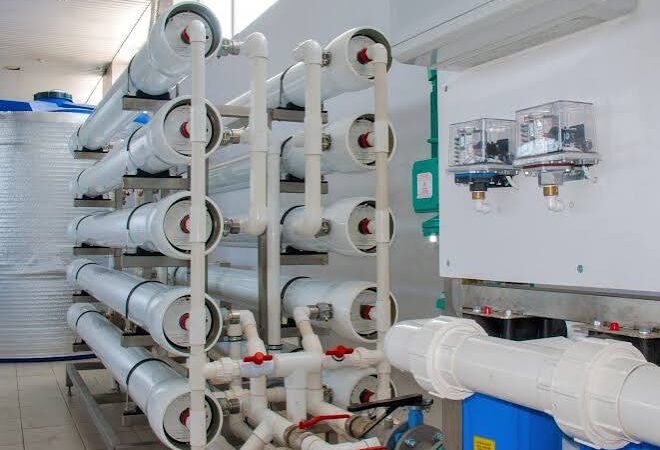
Specialized oxidation and filtration equipment can help address dissolved iron, while mechanical filters capture particles already present in the supply.
However, rust can also originate from deteriorating household plumbing. Identifying the source before installing treatment equipment helps prevent unnecessary expenses.
With suitable treatment, homeowners may experience fewer new stains on bathroom fixtures, laundry, and other frequently used surfaces.
Understanding That Unpleasant Rotten-Egg Smell
Few things are more disappointing than turning on the shower after a long day and being greeted by a strong rotten-egg odor.
Hydrogen sulfide is often associated with this distinctive smell. It may occur naturally in groundwater or develop through certain bacterial processes.
Effective sulfur treatment depends on identifying the odor’s source, measuring relevant water characteristics, and selecting suitable treatment technology.
Oxidation systems and specialized filtration media may help address hydrogen sulfide under appropriate operating conditions.
Interestingly, when the smell appears only in hot water, the water heater itself may be contributing to the problem.
Rather than immediately purchasing filtration equipment, investigate whether the odor affects every faucet or only particular outlets. This simple observation can provide useful information to a water treatment professional.
Keeping Sand and Other Unwanted Particles Out of Your Water
Discovering gritty material in your kitchen sink or bathtub can be concerning. Suspended particles may originate from groundwater, deteriorating well components, or other plumbing-related issues.
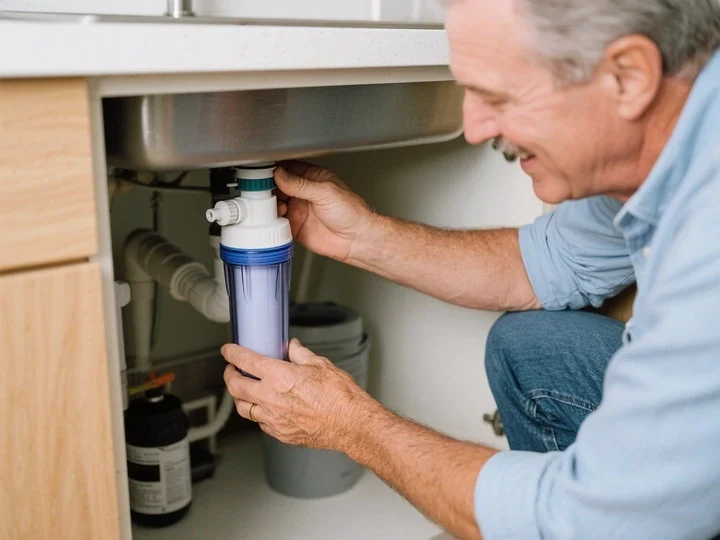
Properly selected sediment filtration helps capture physical materials such as sand, silt, and rust particles before they travel through connected household plumbing.
Cartridge filters may be suitable for relatively modest sediment levels, while reusable separators or backwashing systems can accommodate certain higher particulate loads.
Choosing an appropriate filter requires understanding particle size, water flow, and the amount of sediment entering the supply.
Persistent or suddenly increasing sediment levels may warrant a professional well inspection.
A filter can capture unwanted particles, but it cannot repair damaged well components. Sometimes, the most effective solution involves addressing both concerns.
Why Several Water Problems May Require Multiple Treatments
One household might experience iron staining, unpleasant odors, and excessive hardness simultaneously. Another may struggle primarily with suspended particles.
It’s understandable to want one piece of equipment that handles everything, but different water concerns often require different treatment methods.
Conventional water softeners reduce calcium and magnesium, while specialized oxidation equipment addresses certain dissolved substances.
A thoughtfully designed treatment arrangement allows these technologies to complement one another.
The order of installation matters as well. Removing excessive particulate material before water reaches sensitive treatment components may help prevent unnecessary maintenance difficulties.
A qualified professional can help determine which equipment combination makes sense based on laboratory findings, household consumption, and existing plumbing conditions.
Looking Beyond the Problems You Can See and Smell
Visible stains and unpleasant odors naturally receive plenty of attention. However, some potentially harmful groundwater contaminants cannot be detected through ordinary household observations.
Private well owners throughout Lancaster and Southeastern Pennsylvania should arrange annual laboratory testing for common concerns such as bacteria and nitrate, with additional assessments based on local conditions.
Testing is especially important following flooding, significant well repairs, or unexpected changes in water quality.
If harmful contamination is suspected, use a verified safe alternative for drinking and cooking until corrective measures and appropriate testing confirm safety.
Removing unpleasant smells or visible particles doesn’t automatically establish that your water is safe to drink. Reliable laboratory results provide information that appearance alone simply cannot.
Making Well Water Equipment Easier to Maintain
After installing treatment equipment, establish a maintenance routine that fits comfortably into your schedule.
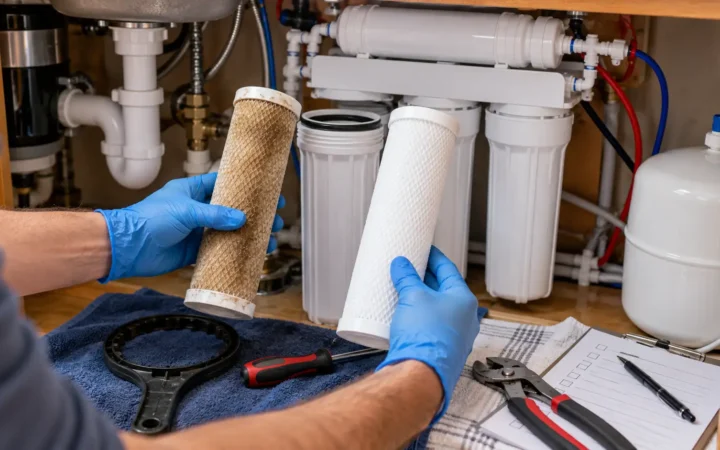
Some filtration systems require periodic backwashing, while others need replacement cartridges or media replenishment.
Before purchasing equipment, ask about servicing costs, drainage requirements, and recommended operating conditions.
Keep records of laboratory results and maintenance dates. If unusual odors or stains suddenly return, these records may help identify changes in treatment performance.
Regular attention to your wellhead and pumping equipment is equally worthwhile.
The idea isn’t to spend every weekend maintaining your water system. It’s to develop a few sensible habits that help keep everything functioning properly throughout the year.
Enjoying the Simple Pleasures of Better Well Water
For families throughout Lancaster and Southeastern Pennsylvania, owning a private well doesn’t have to mean accepting persistent stains, unpleasant odors, or gritty water.
With reliable testing, appropriate treatment, and consistent maintenance, these concerns can often be managed effectively.
Imagine washing your favorite white bedding without worrying about new orange stains or enjoying a warm shower without an unpleasant smell.
These ordinary comforts are easy to appreciate once you’ve experienced the alternative.
Your well supports nearly everything that happens in your home. Giving it thoughtful attention is a practical investment in your property and your family’s everyday comfort, leaving you more time to enjoy the peaceful surroundings that make Pennsylvania country living so appealing.