Practical Home Plumbing Upgrades That Make Everyday Life Easier
A Comfortable Home Starts With Reliable Plumbing
Most people don’t think much about their plumbing when everything works as it should. The shower gets hot, the kitchen sink drains properly, and the bathroom is ready for the morning rush. It’s only when something goes wrong that these everyday conveniences suddenly become a big deal. A dripping tap, an unreliable water heater, or a toilet that keeps running can disrupt the whole household.
The good news is that many plumbing problems can be prevented or addressed before they become expensive repairs. Regular maintenance, sensible upgrades, and help from a qualified professional can keep essential systems working more reliably. You don’t necessarily need a complete renovation to make a noticeable difference. Sometimes, replacing one outdated fixture or correcting a small leak is enough to improve daily comfort.
The trick is knowing which improvements are worth considering and when it’s time to stop troubleshooting and call someone who understands the system.
Choosing a Water Heater That Suits Your Routine
Hot water is one of those things people tend to take for granted until it runs out halfway through a shower. A household’s hot-water needs depend on several factors, including the number of people living there, the size of the property, and how often multiple fixtures are used at once.
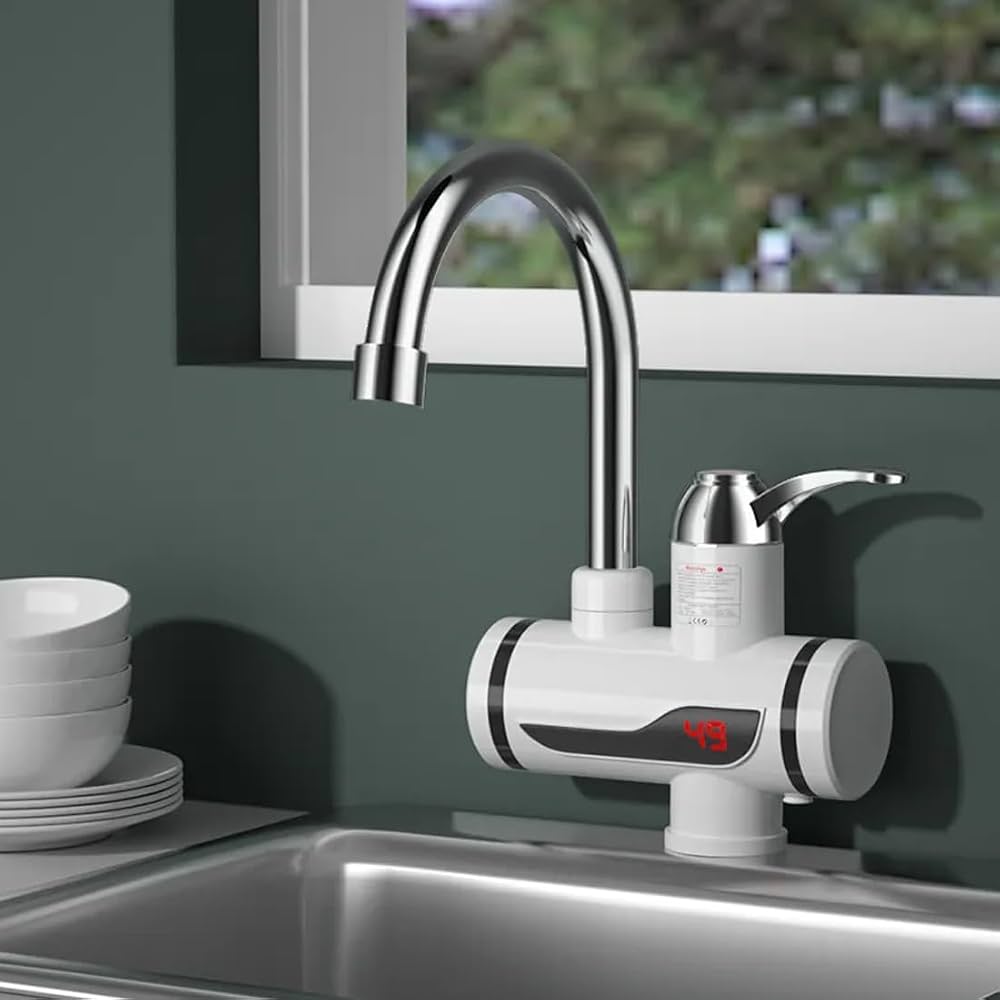
For families that want hot water on demand, tankless water heaters may be worth exploring. Instead of storing a large volume of heated water, these units heat water as it flows through the system. That design can reduce standby heat loss and save space, which is useful in homes with limited storage areas. However, the unit must be correctly sized for the expected flow rate. Running several showers and appliances simultaneously can exceed the capacity of an undersized model.
Tankless systems also have different installation requirements, maintenance needs, and upfront costs. Depending on the fuel source, a home may need suitable gas connections, electrical capacity, or ventilation. A professional assessment helps determine whether the existing setup can support the change without expensive surprises.
Understanding Traditional Water Heating Systems
On the other hand, conventional water heaters remain a practical option for many homes. These systems store heated water in a tank, making a supply available when someone turns on a hot-water tap. They are familiar, widely used, and available in a range of capacities to suit different households.
A storage water heater may be a sensible choice for a family that uses hot water at predictable times throughout the day. Still, tank size matters. A small tank may struggle during busy mornings, while an unnecessarily large unit can waste energy keeping more water hot than the household needs.
Age is another important consideration. Rust-coloured water, unusual noises, visible corrosion, or recurring leaks may indicate that a heater needs professional attention. Not every symptom means the unit must be replaced, but ignoring warning signs rarely makes the problem cheaper to fix.
When deciding between storage and tankless equipment, look beyond the purchase price. Installation costs, energy use, maintenance, expected lifespan, and household demand all influence the long-term value. The right choice is the one that works reliably for the people living in the home, not simply the one with the most impressive features.
Small Fixtures Can Cause Surprisingly Big Problems
Water heaters often get most of the attention, but everyday fixtures deserve a closer look. Toilets and faucets are used constantly, and even a minor fault can waste water over time. A toilet that continues running after flushing or a tap that drips throughout the night may seem harmless. Left alone for weeks or months, though, those small losses add up.
Faucet problems can stem from worn washers, damaged cartridges, loose connections, or mineral deposits. Sometimes, replacing a small internal component is enough to restore normal operation. In other cases, an older fixture may be better replaced, especially if parts are difficult to obtain or the design no longer meets the household’s needs.
Toilets can develop leaks around the base, problems with the fill valve, or faults in the flushing mechanism. A toilet that requires repeated flushing or makes a constant hissing sound may need an inspection. It’s best not to assume that every issue requires a brand-new fixture; a straightforward repair may solve the problem.
If a leak appears near an electrical appliance or inside a wall, however, take it seriously. Water can damage building materials and create additional hazards. Shut off the relevant water supply when safe to do so, and arrange professional help rather than letting the problem continue.
Why Preventive Plumbing Maintenance Matters
Plumbing systems rarely fail at a convenient moment. A small leak may become noticeable after a weekend away, or a water heater might stop working just as guests arrive. While no maintenance plan can prevent every breakdown, regular checks can identify many problems before they escalate.
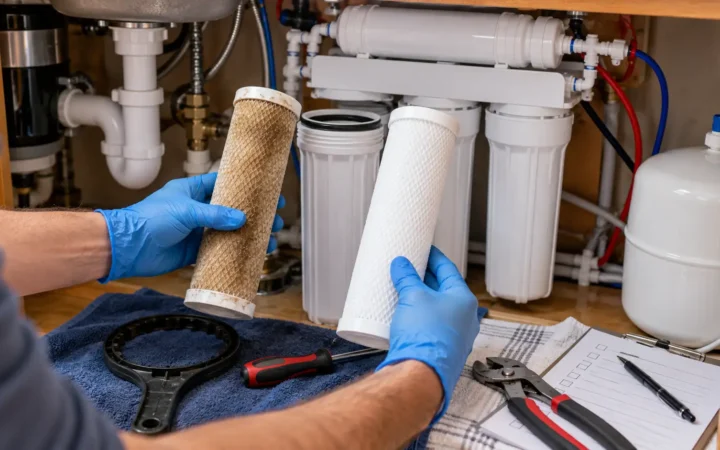
Look under kitchen and bathroom sinks from time to time. Check exposed pipes for moisture, inspect visible connections, and notice whether water pressure has changed. Keep an eye on slow drains, persistent odours, and unusual sounds. These symptoms can have several causes, so they shouldn’t automatically be treated with harsh chemicals or improvised repairs.
Drain cleaners, for example, may damage certain pipes or fixtures when used incorrectly. For recurring blockages, a plumber can identify whether the issue comes from grease, accumulated debris, a damaged pipe, or a deeper obstruction.
Water heaters also benefit from maintenance appropriate to their model and local water conditions. Sediment can accumulate in storage tanks, while mineral deposits may affect tankless heat exchangers. Manufacturers often provide maintenance guidance, and a qualified technician can explain which tasks are necessary for the equipment installed in the home.
Improving Water Efficiency Without Sacrificing Comfort
Saving water doesn’t have to mean changing every household habit. Often, it begins with fixing leaks and choosing fixtures that use water more efficiently. Modern low-flow showerheads and faucets can reduce consumption while still providing a comfortable experience when selected carefully.
A dual-flush toilet may help reduce water use, although installation quality and compatibility with existing plumbing should be considered. Aerators can also improve faucet efficiency by mixing air into the water stream. They’re relatively simple components, yet they can make a useful difference in frequently used sinks.
Hot-water efficiency matters, too. Insulating suitable hot-water pipes can reduce heat loss, meaning less energy may be needed to deliver warm water to a fixture. In some homes, adjusting the water heater temperature to the manufacturer’s recommended safe setting can also help avoid unnecessary energy use.
Efficiency improvements work best when they match real household needs. There’s little value in installing equipment that performs poorly for the family simply because its specifications look impressive on paper.
Knowing When to Call a Professional
Some basic checks are manageable for homeowners, but plumbing repairs can become complicated quickly. Work involving gas lines, electrical connections, concealed pipes, water-heater installation, or significant leaks should be handled by appropriately qualified professionals. Local codes and manufacturer requirements may also affect which work can be completed safely.
When arranging a repair, describe the symptoms clearly. Mention when the problem began, whether it happens continuously, and whether you’ve noticed changes in water pressure, temperature, or sound. These details help a technician narrow down possible causes.
It’s also reasonable to ask what the repair involves, whether replacement parts are needed, and what maintenance might prevent the same issue from returning. A trustworthy professional should explain the options in understandable language instead of pressuring you into an immediate purchase.
A More Reliable Home Begins With Simple Decisions
A well-maintained plumbing system doesn’t have to be complicated. Paying attention to small warning signs, choosing suitable water-heating equipment, and repairing worn fixtures can make daily life more comfortable while helping control avoidable costs.
Some improvements can wait until the next planned renovation. Others, such as an active leak or a water heater showing signs of failure, deserve prompt attention. Knowing the difference helps homeowners make better decisions without spending unnecessarily.
Ultimately, the best plumbing upgrades are the ones that fit the home, suit the family’s routine, and continue delivering dependable performance over time. A little attention today can prevent a great deal of inconvenience tomorrow, and that’s a worthwhile investment in any home.