Understanding Hard Water and Soft Water: What Every Homeowner Should Know
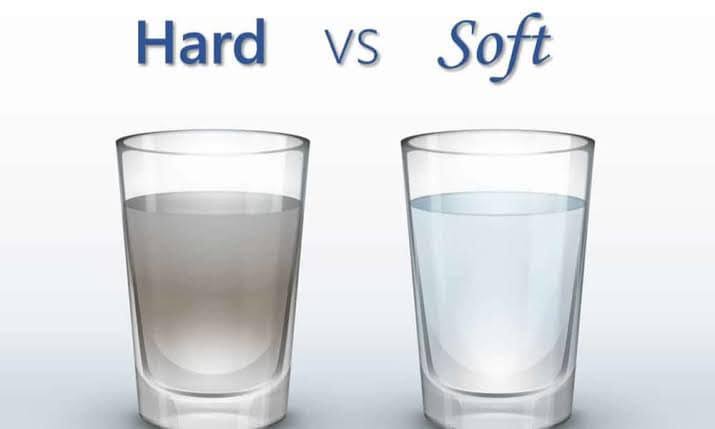
Water is something most people use without giving it much thought. It flows from the tap, fills the washing machine, helps prepare meals, and keeps the household running. But not all water is the same. Some homes experience mineral buildup, stubborn soap residue, dry skin, cloudy glassware, and plumbing problems that seem to appear out of nowhere. In many cases, hard water could be the reason.
Understanding the difference between hard and soft water can help homeowners make better decisions about their water quality, household appliances, and everyday comfort.
What Makes Water Hard?
Hard water contains naturally occurring minerals, mainly calcium and magnesium. These minerals enter the water as it travels through underground rock formations, limestone, and other geological materials. While they aren’t usually considered harmful to health, they can create several frustrating problems around the house.
If you’ve ever noticed white deposits around faucets, a crusty layer inside a kettle, or soap that refuses to lather properly, you’ve probably encountered hard water.
People often ask what is hard water? Simply put, it’s water with a higher concentration of dissolved minerals, particularly calcium and magnesium. The mineral content can vary significantly depending on where you live, which is why one household may have perfectly manageable water while another struggles with scale buildup almost every week.
Everyday Signs of Hard Water
Hard water doesn’t always announce itself immediately. Sometimes the signs gradually become noticeable, and homeowners may blame their cleaning products, plumbing fixtures, or even their washing machine.
A few common indicators include:
- White or chalky deposits around sinks, showers, and faucets.
- Soap scum forming on bathroom surfaces.
- Towels and clothes feeling stiff after washing.
- Dryness or irritation after showering.
- Reduced water flow caused by mineral deposits in pipes.
- Spots left behind on dishes and glassware.
These problems can be particularly frustrating because regular cleaning only provides temporary relief. The mineral content remains in the water, so deposits continue to develop over time.
How Does a Water Softener Work?
A water softener is designed to reduce the minerals responsible for water hardness. Most traditional residential systems use a process called ion exchange, which replaces calcium and magnesium ions with sodium or potassium ions.
As hard water passes through the softener’s resin tank, the resin beads attract and hold calcium and magnesium. In exchange, sodium ions are released into the water. Once the resin becomes saturated with minerals, the system regenerates using a salt-based solution, restoring its ability to soften water.
For homeowners wondering how does a water softener work?, the process is fairly straightforward, even though the equipment itself involves several components. The system automatically manages mineral removal and regeneration, allowing softened water to continue flowing throughout the home.
A properly sized water softener can make a noticeable difference in cleaning, bathing, laundry, and the overall maintenance of plumbing fixtures.
Hard Water vs. Soft Water: How Can You Tell?
The difference between hard and soft water often becomes obvious through everyday experiences. Hard water tends to leave mineral deposits, makes soap less effective, and can contribute to scale inside pipes and appliances. Soft water generally feels smoother, produces more soap lather, and leaves fewer mineral spots behind.
If you’re trying to understand hard water vs. soft water — how to tell?, pay attention to what happens after ordinary household activities. Does soap leave a residue on your skin? Are your shower doors covered with white spots? Does your kettle develop mineral buildup after repeated use? These observations can provide useful clues.
However, appearances aren’t always enough. A professional water hardness test can measure mineral concentration and help determine whether a water softener is necessary. Testing is especially helpful before purchasing equipment, as it provides a clearer picture of the actual water conditions.
Why Water Hardness Matters for Your Home
Hard water can gradually affect household appliances and plumbing. Mineral deposits may accumulate inside water heaters, dishwashers, washing machines, and pipes. Over time, this buildup can reduce efficiency, increase energy consumption, and contribute to equipment wear.
Softening water may help minimize these problems while reducing the amount of soap and detergent needed for cleaning. Homeowners often notice that clothes feel softer, shower surfaces are easier to maintain, and glassware looks cleaner after washing.
It’s worth remembering that a water softener isn’t designed to remove every possible contaminant. It addresses hardness minerals, not necessarily bacteria, chemicals, or other water quality concerns. Depending on the source, additional filtration may be needed.
Choosing the Right Water Treatment Solution
Before installing a water softener, it’s sensible to understand your water’s hardness level and household requirements. Some homes may benefit from a whole-house softener, while others might need a combination of softening and drinking-water filtration.
Consider the number of people in your home, daily water usage, plumbing conditions, and maintenance requirements. A reliable system should fit your household rather than simply being the most expensive option available.
Water quality testing and professional guidance can help avoid unnecessary purchases and ensure the equipment is properly installed and maintained.
A Better Understanding Leads to Better Water
Hard water is a common household issue, but it doesn’t have to become an ongoing source of frustration. Knowing why minerals affect your plumbing, cleaning routines, and appliances makes it easier to recognize the problem and choose an appropriate solution.
Sometimes, the smallest everyday annoyances—spots on dishes, stiff towels, or a faucet that never looks clean—are signs of something happening beneath the surface. With a little knowledge and the right treatment approach, homeowners can make water quality easier to manage and enjoy a more comfortable home.