Cleaner Water From the Moment It Enters Your Home: A Guide to Whole-House Filtration
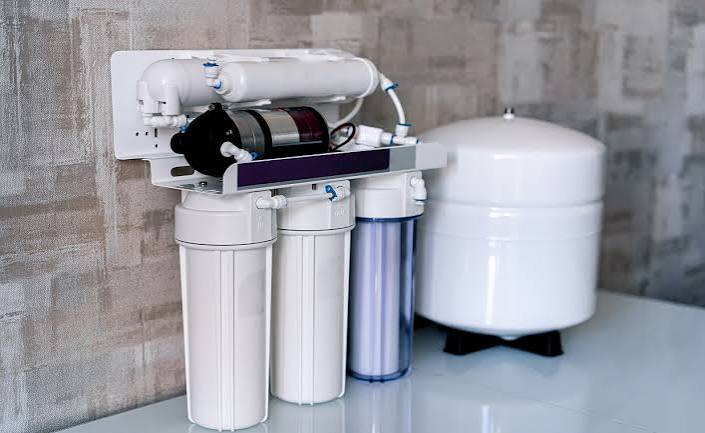
Nobody particularly enjoys discovering tiny rust particles in a glass of water or noticing an unpleasant smell while running the bath. Yet these are familiar experiences for many homeowners. Water quality can affect everything from the taste of your morning coffee to the condition of your household plumbing, often in ways that are easy to overlook.
Installing point-of-entry water filtration offers a practical way to address specific water quality concerns before incoming water travels through connected household fixtures and appliances.
For Burton homeowners looking to improve their water supply, centralized filtration can provide a convenient alternative to maintaining several individual faucet filters.
However, choosing the right equipment requires more than comparing product descriptions. Understanding your water conditions and everyday household needs is where things become interesting.
What Makes Centralized Water Filtration Different?
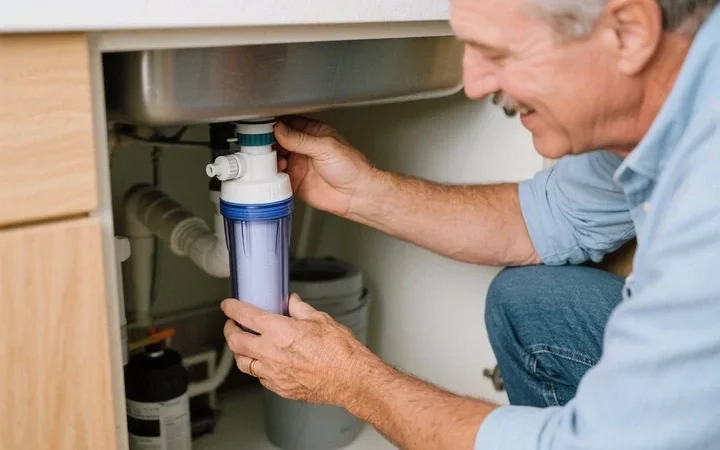
Most people are familiar with filter pitchers or small attachments fitted directly to kitchen faucets. These products can be useful, but their treatment capabilities are generally limited to a particular location.
Centralized filtration works differently.
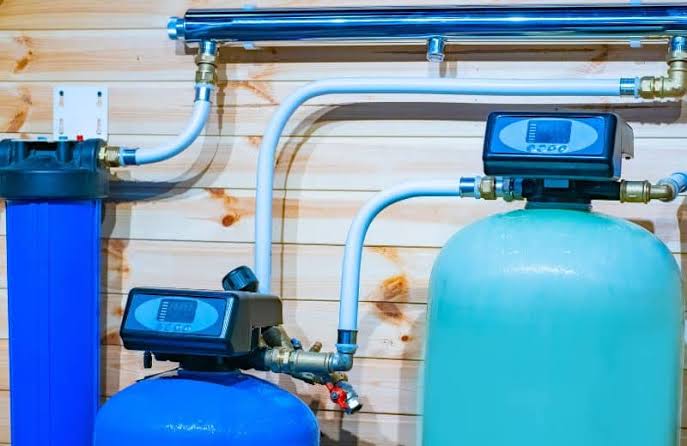
Equipment is typically installed near the main water supply connection, allowing incoming water to pass through selected treatment media before reaching connected areas of the property.
This means filtration can benefit multiple household activities rather than just drinking and cooking.
Having treatment equipment in one location also makes routine servicing more straightforward.
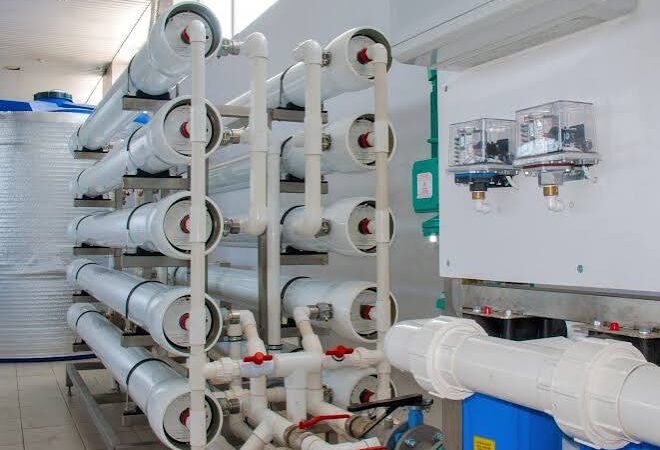
Of course, the effectiveness of any installation depends on the original water conditions, equipment capacity, and filtration technology.
That’s why identifying specific water quality concerns before purchasing a system is always worthwhile.
How Sediment and Carbon Filters Complement Each Other
Different filters perform different tasks, and understanding those differences can help homeowners make better purchasing decisions.
A properly designed whole-home sediment and carbon filtration arrangement combines particle removal with the reduction of certain unwanted tastes, odors, and contaminants.
Sediment filters physically capture suspended materials such as sand, silt, and rust particles. These materials can accumulate inside faucet aerators and sensitive plumbing components if left unaddressed.
Activated carbon works through adsorption, allowing certain substances to attach to its porous surface.
Together, these filtration methods can address several common household water concerns.
However, they aren’t designed to remove every dissolved substance or reliably eliminate harmful microorganisms.
Additional treatment may be necessary depending on the results of appropriate water testing.
Choosing Filters That Match Your Household Requirements
Buying water treatment equipment can feel slightly overwhelming. There are different filter sizes, capacities, materials, and performance claims to consider.
When comparing residential whole-house filters, homeowners should prioritize verified treatment capabilities, incoming water conditions, household consumption, and maintenance requirements.
Consider how much water your family uses during busy periods. Someone might be taking a shower while the dishwasher and washing machine are running simultaneously.
An undersized filtration system could restrict water flow during these moments.
Filter capacity and pressure requirements therefore deserve careful consideration.
It’s also worth checking how easily replacement cartridges can be obtained. A reasonably priced system may become expensive to maintain if its components are difficult to source.
Practicality matters just as much as performance.
Why Better Water Matters Outside the Kitchen
We tend to associate water filtration with drinking water, but its potential benefits extend considerably further.
Imagine taking a shower without encountering an unpleasant disinfectant odor or finding fewer visible particles collecting around bathroom fixtures.
Depending on the treatment equipment installed, these improvements can make ordinary household activities more enjoyable.
There’s also the convenience of maintaining a centralized system instead of replacing individual filters throughout the house.
Busy families, especially, may appreciate having fewer household maintenance tasks to remember.
These benefits aren’t always immediately dramatic. Sometimes, it’s only after several weeks that you begin noticing how much more convenient certain routines have become.
Understanding What Ordinary Water Filters Cannot Do
One common misconception is that installing a household filter will automatically eliminate mineral scale.
Hard water contains dissolved calcium and magnesium, which ordinary sediment and carbon filters aren’t generally designed to remove.
If you’re frequently descaling your kettle or scrubbing white deposits from bathroom faucets, conventional water softening may be worth considering.
Some households benefit from combining softening and filtration because their water contains several different substances requiring attention.
Similarly, private well owners may need specialized disinfection or additional treatment based on laboratory testing.
Understanding these limitations helps homeowners establish realistic expectations rather than assuming a single filtration device can resolve every water quality problem.
Protecting Your Investment Through Regular Maintenance
Once a filtration system is installed, it’s surprisingly easy to forget about it. After all, most equipment operates quietly behind the scenes.
Nevertheless, sediment cartridges gradually accumulate debris, and activated carbon media eventually lose their treatment capacity.
Ignoring replacement schedules may reduce filtration effectiveness or restrict household water flow.
Follow manufacturer recommendations and keep a simple record of servicing dates.
Before purchasing equipment, ask about maintenance expenses and whether professional support is available.
Periodic testing also remains important, particularly when filtration is intended to reduce potentially harmful contaminants.
Remember that water looking clearer or tasting better doesn’t necessarily establish drinking water safety.
A little consistent attention can help keep treatment equipment performing as intended.
Making Better Water an Everyday Household Comfort
Improving water quality throughout your home doesn’t have to involve complicated equipment or unnecessary expenses.
For Burton homeowners, the sensible starting point is reliable testing, followed by choosing filtration technologies that address genuine concerns.
With appropriate installation and regular maintenance, centralized water treatment can offer practical improvements that extend well beyond the kitchen sink.
Sometimes, the most worthwhile home upgrades are the ones that quietly make familiar routines more pleasant. Better water can certainly be one of them.