Better Water Begins Where It Enters Your Home: The Value of Whole-House Filtration
Most homeowners pay attention to the water coming out of their faucets, but rarely think about what’s happening before it gets there. That changes when an unpleasant smell becomes noticeable during showers or tiny rust particles begin appearing in the kitchen sink. Suddenly, the little filter attached to the kitchen faucet doesn’t seem quite sufficient.
Installing water treatment at the point of entry offers a practical way to address specific water quality concerns before incoming water travels through connected household plumbing.
Instead of treating water separately in different rooms, this approach brings filtration together in one central location. It’s a sensible option for households looking to improve water quality beyond drinking water, although choosing the right equipment requires understanding a few important details.
What Happens Before Water Reaches Your Faucet?
Water travels through natural environments, treatment facilities, and distribution networks before arriving at your home. Along the way, it may collect minerals, suspended particles, or other substances that influence its characteristics.
Even the condition of your property’s plumbing can make a difference.
Perhaps you’ve noticed fine debris collecting inside faucet aerators or an unfamiliar smell whenever you run a bath. These experiences may indicate that your household water deserves closer attention.
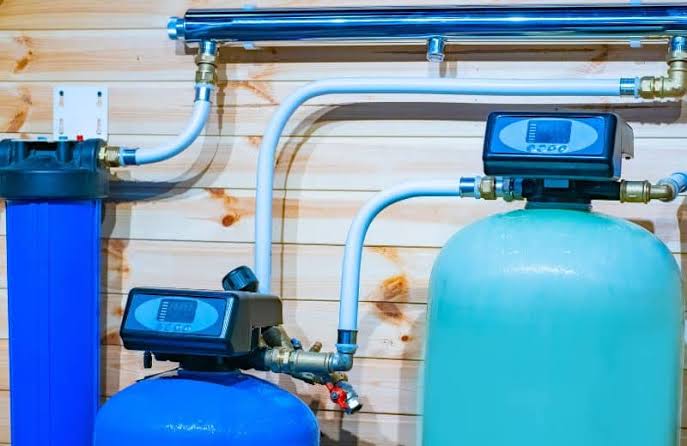
Centralized treatment equipment is generally installed near the main water supply connection. As incoming water passes through selected filtration media, specific unwanted substances are reduced before the water reaches connected fixtures.
The idea is fairly simple, but the effectiveness depends on choosing technologies that match your actual water conditions.
Finding an Approach That Addresses Your Water Concerns
Not every property experiences the same problems. One household might struggle with sediment, while another finds that disinfectant-related odors make showering less enjoyable.
Well-designed point-of-entry water filtration solutions can combine different treatment methods according to the particular characteristics of incoming water.
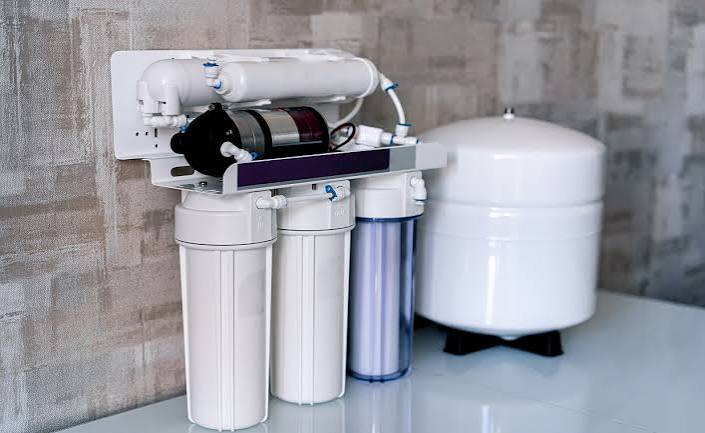
Sediment filtration captures suspended materials such as sand, silt, and rust. Activated carbon helps reduce certain unwanted tastes, odors, and contaminants through adsorption.
Additional specialized media may be appropriate when testing identifies concerns involving iron or other substances.
However, ordinary particle and carbon filters aren’t generally designed to remove dissolved hardness minerals. Separate softening equipment may be necessary when excessive calcium and magnesium contribute to persistent scale formation.
Understanding these differences can help homeowners avoid investing in equipment that doesn’t address their original concerns.
Choosing a Filtration System That Can Keep Up
Think about a typical Saturday morning at home. The washing machine is running, someone is taking a shower, and you’re cleaning up after breakfast. There’s quite a lot of water moving through your plumbing at once.
When comparing whole-home water filter systems, consider peak water demand, incoming pressure, filtration capacity, installation space, and ongoing maintenance requirements.
An undersized system may restrict water flow, particularly during periods of heavy consumption.
It’s also worth asking about the equipment’s expected treatment capacity before filter replacement becomes necessary.
A family with multiple bathrooms will likely have different requirements from a couple living in a smaller property.
The right system should accommodate your household’s lifestyle without forcing you to rethink when you can shower or run the dishwasher.
Why Centralized Filtration Offers Everyday Convenience
Managing individual water filters throughout the house can become surprisingly inconvenient. Each device has its own replacement schedule, and remembering when every cartridge needs changing isn’t always easy.
Centralized filtration simplifies this arrangement by keeping the main treatment equipment in one place.
Depending on your water conditions, suitable filtration may help reduce visible particles around fixtures and certain unpleasant odors during bathing.
There’s also the advantage of addressing multiple connected areas through a single installation.
Of course, specialized drinking water treatment may still be worthwhile in the kitchen if additional contaminant reduction is necessary.
Centralized and point-of-use filtration can complement one another rather than compete.
Start With Reliable Water Testing
Buying filtration equipment without understanding your water is a little like purchasing medicine without knowing what’s causing the symptoms.
You might spend a considerable amount of money and still find yourself dealing with the same problem.
Appropriate water testing can provide information about hardness, iron, pH, and other relevant characteristics. Specialized laboratory analysis may be necessary to identify potentially harmful contaminants.
Municipal water customers can review available supplier reports, while private well owners should arrange testing specific to their property.
Remember that clear water isn’t automatically safe to drink. Some contaminants cannot be detected through appearance, taste, or smell.
Reliable testing provides the information needed to make more confident treatment decisions.
Thinking About Maintenance Before Making a Purchase
A filtration system should make household life easier, not create another demanding responsibility.
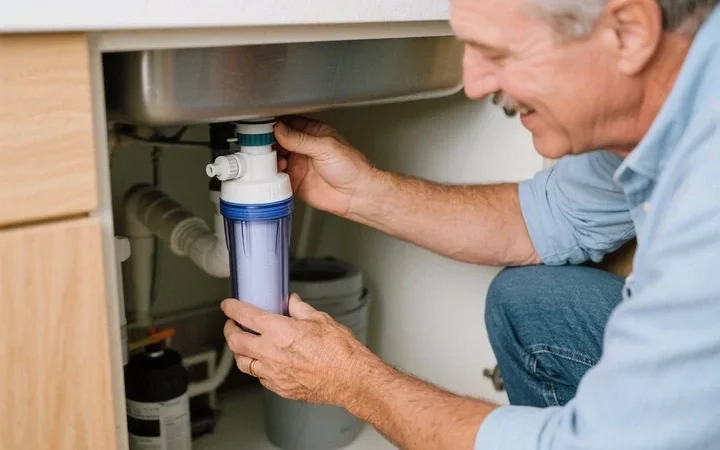
Before installation, ask about replacement cartridges, servicing intervals, operating expenses, and maintenance accessibility.
Consider whether the equipment includes a bypass arrangement that allows servicing when appropriate. It’s also useful to understand how changes in water pressure might indicate that a cartridge needs attention.
Following manufacturer maintenance recommendations helps preserve treatment performance, while periodic testing can evaluate whether equipment continues addressing identified concerns.
Spending a little time understanding these responsibilities beforehand can prevent unnecessary frustrations later.
A Lasting Improvement That Works Quietly in the Background
Better household water doesn’t necessarily require complicated technology or an expensive combination of treatment equipment.
It begins with understanding your supply, identifying genuine concerns, and choosing filtration methods that address them effectively.
A properly planned centralized system can make everyday water usage more convenient while simplifying certain maintenance responsibilities.
Ultimately, the appeal of better water lies in familiar moments: preparing dinner, enjoying a warm shower, or filling a glass after a long afternoon.
These experiences might seem ordinary, but they’re part of what makes a house feel like home. Giving your water quality some extra attention is an improvement you can appreciate throughout the day.