
REGION 00 / BUSINESS SERVICE
Moving Through Delhi With Less Stress: Practical Advice for a Better Relocation
Moving to a new home in Delhi can feel like the start of something exciting. Perhaps you’ve found a better apartment, you’re…
Fresh reporting and analysis across all six editorial regions.
Moving to a new home in Delhi can feel like the start of something exciting. Perhaps you’ve found a better apartment, you’re…
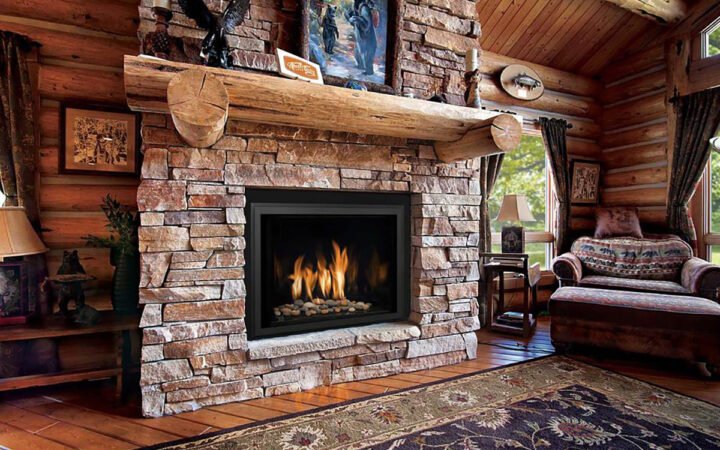
A fireplace adds warmth and comfort to a home during the cold months in Dubuque, IA. However, regular use exposes fireplace components to heat, soot, moisture, and general wear. Small problems often become more serious when they remain unnoticed. Understanding common fireplace issues helps you recognize problems early and take appropriate steps before using the system again. When your fireplace shows signs of damage, professional fireplace repair services in Dubuque, IA provide an important solution for identifying and repairing problems with gas fireplace components and related operating systems. Technicians can inspect components such as gas valves, thermocouples or thermopiles, pilot assemblies, gas logs, glass fronts, and blower kits, depending on the fireplace design. Proper repairs address more than appearance. They focus on safe operation, combustion, ventilation, and the components that affect fireplace performance and household safety. Gas vs. Wood-Burning Fireplaces: Why the Difference Matters Gas and wood-burning fireplaces require different types of inspection, maintenance, and repair. Gas fireplaces commonly use components such as gas valves, thermocouples, thermopiles, pilot assemblies, gas logs, glass fronts, and blower kits. Direct-vent and B-vent gas fireplaces also use different venting arrangements, so the fireplace type should be identified before service is performed. Wood-burning fireplaces create different maintenance concerns. Burning wood produces smoke and creosote, which can accumulate inside the chimney and increase the risk of a chimney fire. Masonry, fireboxes, dampers, and chimney passages also require attention when deterioration or blockage is present. Understanding whether a fireplace burns gas or wood helps homeowners seek the appropriate service instead of treating both systems as though they have the same repair needs. Common Signs Your Fireplace Needs Repair Some fireplace problems are easy to notice, while others develop gradually. Pay attention to changes in appearance, operation, and airflow. Gas Fireplace Component Problems Gas fireplace problems can involve a pilot assembly that will not stay lit, a faulty thermocouple or thermopile, a malfunctioning gas valve, damaged gas logs, a cracked glass front, or a blower kit that does not operate properly. Changes in flame appearance, difficulty starting the fireplace, unusual odors, or inconsistent operation require professional attention. Cracks, Creosote, and Damaged Masonry For wood-burning fireplaces, cracked bricks, loose mortar, damaged fireboxes, or deteriorating surfaces require attention. High temperatures place repeated stress on masonry. Water exposure during freezing weather also contributes to deterioration in exterior areas. Creosote is another important concern for wood-burning systems. This combustible residue can build up inside the chimney as wood burns. Regular chimney inspection and cleaning help identify and remove creosote before excessive accumulation creates a greater fire hazard. Unusual Smoke or Odors Smoke entering the room instead of moving through the chimney indicates a ventilation concern in a wood-burning system. Persistent unusual odors also deserve attention, especially when they appear during fireplace operation. For gas fireplaces, a gas odor should be treated as an urgent safety concern rather than as a normal fireplace smell. Difficulty Starting or Maintaining a Fire Problems with airflow often affect how efficiently a wood fire burns. Excessive smoke, weak flames, or unusual burning patterns indicate that the fireplace system needs inspection. For gas fireplaces, difficulty starting or maintaining operation may be related to the pilot assembly, thermocouple, thermopile, gas valve, ignition system, or other operating components. Damaged Doors, Glass, or Dampers A damaged fireplace door or cracked glass front creates operational concerns, while a faulty damper interferes with airflow in systems that use one. These components should operate smoothly and fit properly. Why Fireplace Problems Require Prompt Attention A damaged fireplace involves more than comfort. Cracks, blocked passages, poor ventilation, deteriorated components, and excessive creosote increase safety concerns inside the home. Carbon monoxide exposure is another serious concern when combustion gases do not exit the house properly. Carbon monoxide detectors should be installed on each level of the home and near sleeping areas according to applicable safety guidance and manufacturer instructions. Homeowners should never ignore a carbon monoxide alarm. If the alarm sounds, leave the home immediately, move to fresh air, and contact emergency services or the appropriate emergency authority from a safe location. Do not re-enter until the home has been determined to be safe.…
For a small business, reaching new customers often means showing up in places they already read and trust. Guest articles can help…

The concept of a “best lifestyle” is quite ambiguous. People see beautiful morning routines, great workout sessions, stylishly designed houses, and lots…
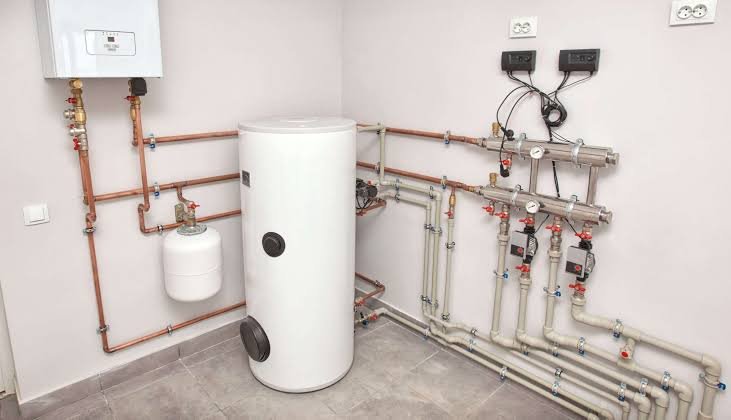
There are few things more frustrating than a plumbing problem appearing at the worst possible moment. A dripping faucet is annoying, but…
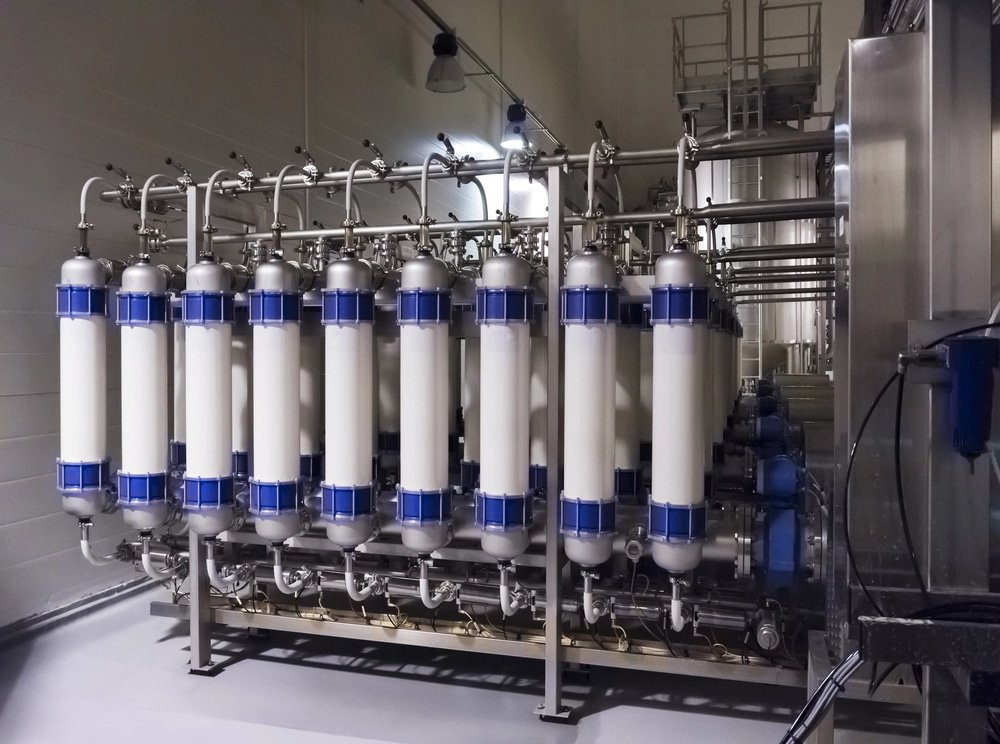
Water filtration equipment tends to be the kind of thing homeowners install and then forget about. Once the system is tucked beneath…
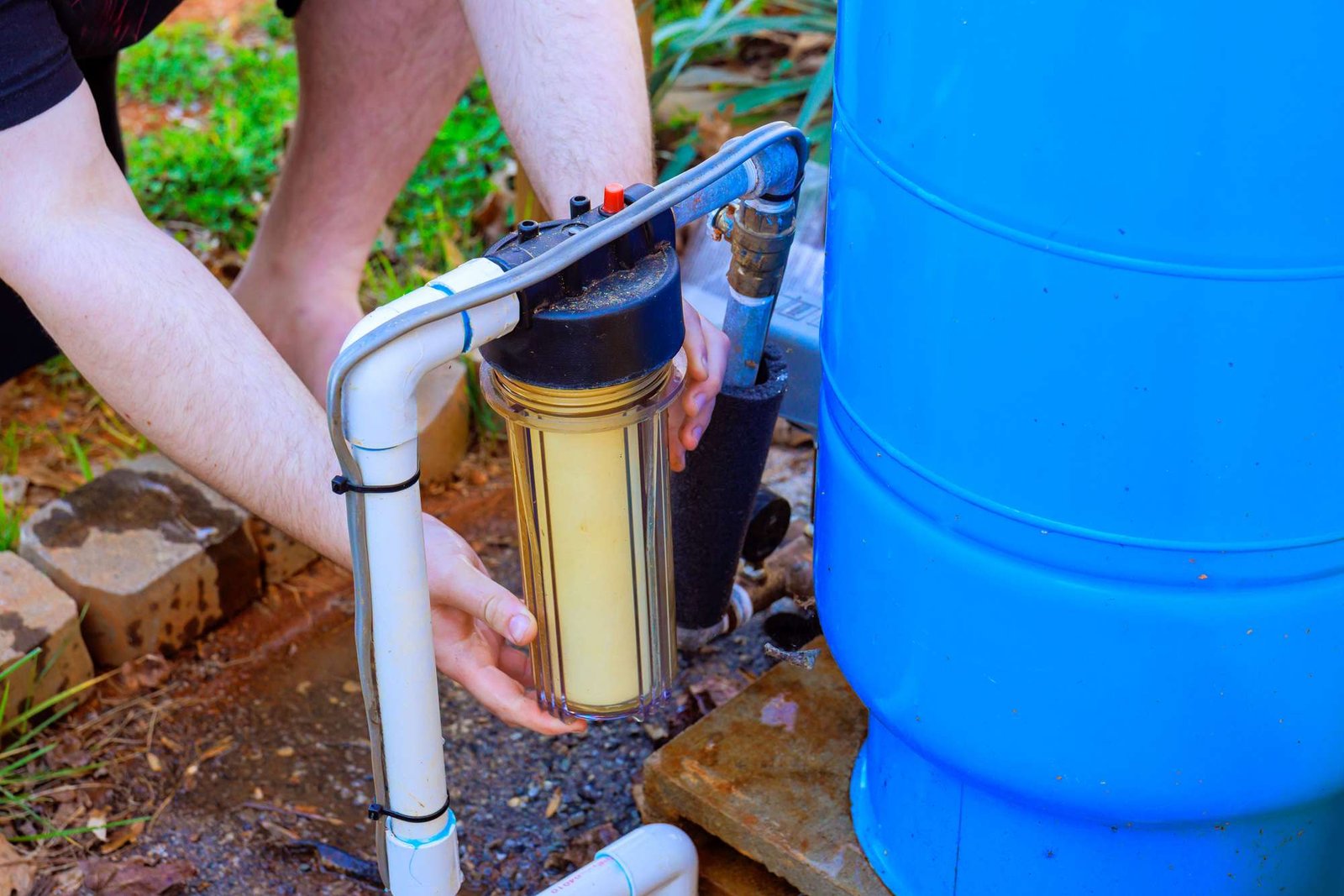
For many homeowners, well water is simply part of everyday life. You turn on the tap, fill a glass, run the shower,…
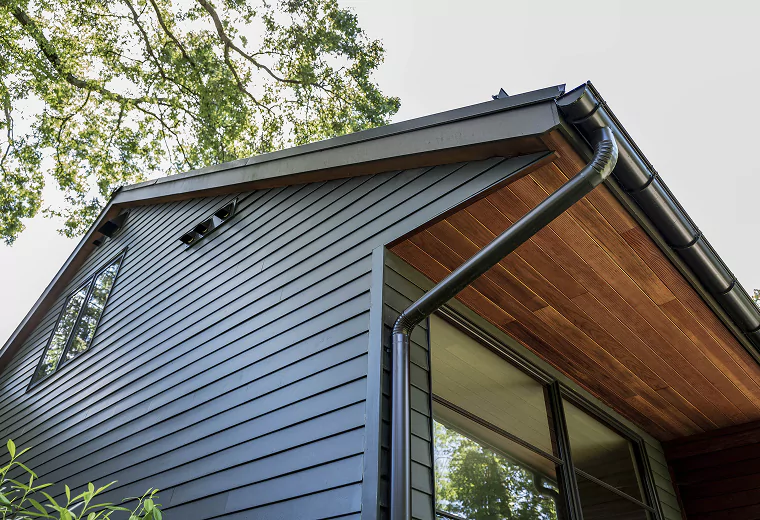
Your home’s exterior does a lot more than make a first impression. It stands between your living space and rain, wind, heat,…

Water treatment is one of those home investments you don’t always appreciate until something goes wrong. A filter becomes clogged, a water…
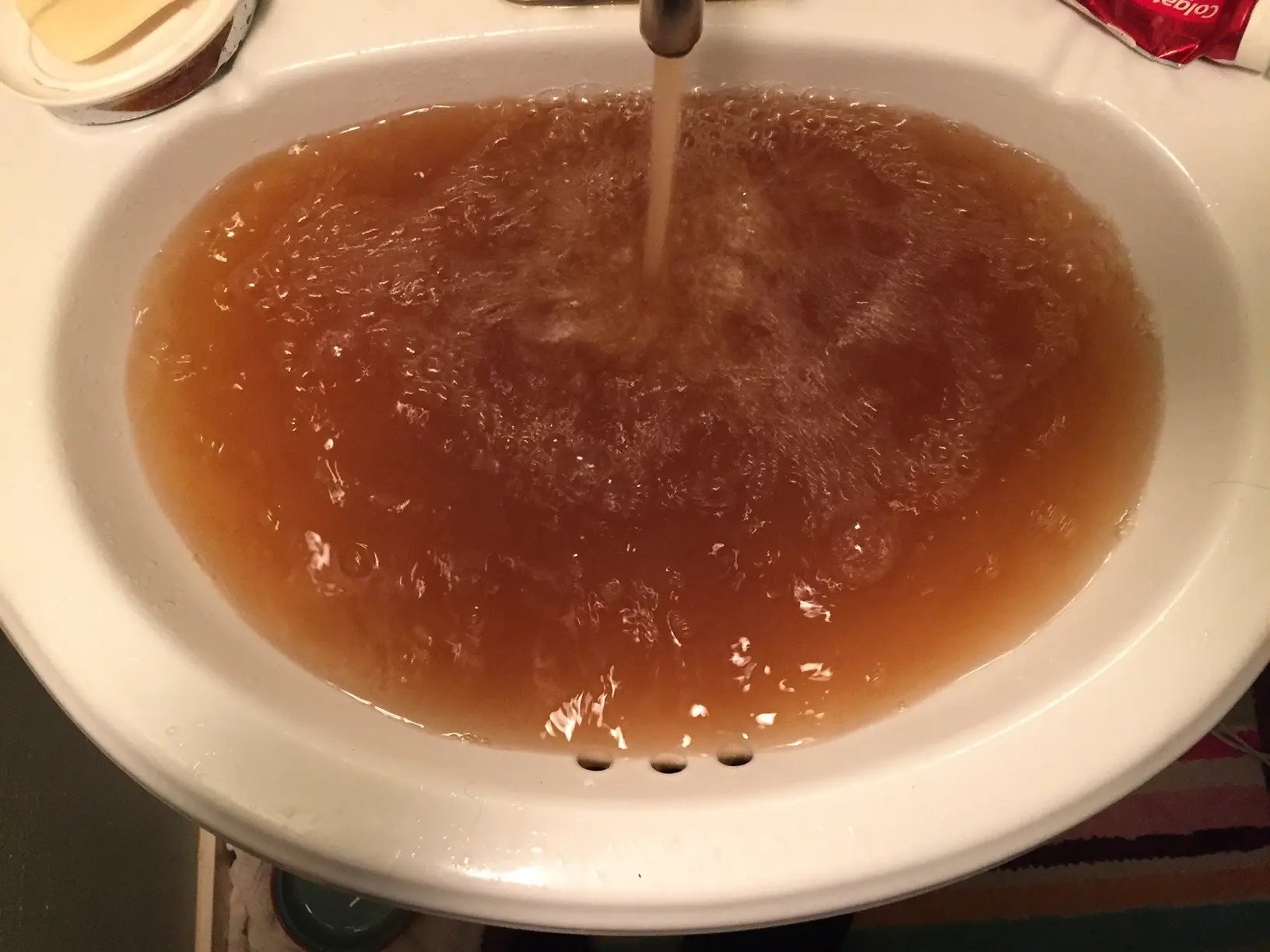
Most of us expect water to be simple. You turn on the faucet, fill a glass, and move on with your day…