expansion tanks
Let’s be honest for a second: most homeowners don’t give much thought to what’s happening behind the walls—until something goes wrong. And when it does go wrong, you quickly realize that your plumbing system isn’t just pipes and water. It’s a delicate orchestra of pressure, temperature, and timing. Three unsung heroes that keep everything humming in harmony are expansion tanks, recirculation pumps, and mixing valves. Not glamorous, but definitely game-changers.
So, if you’ve ever wondered why your hot water takes forever to reach the tap, why your pipes groan at night, or why your water temperature is never quite right… you’re not alone. Let’s dive into it—no fluff, just the real deal.
When the Heat Expands, So Should Your System
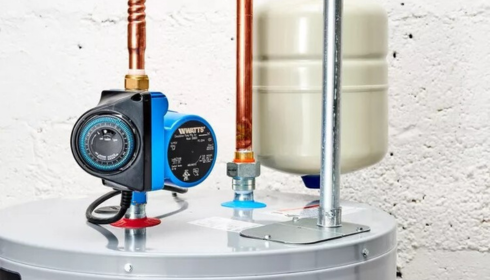
Ever notice those little tanks, usually mounted near the water heater, that seem like they’re doing absolutely nothing? Surprise—they’re working hard in silence. I’m talking about expansion tanks, and they’re more essential than you might think.
When water heats up, it expands (basic science). In a closed plumbing system, that expansion needs somewhere to go. Without an expansion tank, all that pressure gets pushed back into your pipes, potentially causing them to weaken, leak, or worse—burst. And let’s not forget the damage that pressure can do to your fixtures and water heater over time. It’s like trying to cram an inflated balloon into a shoebox. Something’s gotta give.
Installing an expansion tank is one of those proactive moves that saves a ton of money and headaches down the road. You won’t even notice it’s there—until you realize everything’s working better because of it.
Hot Water Shouldn’t Take a Coffee Break
Now, picture this: you’re half-asleep, standing in front of the bathroom sink, waiting… and waiting… for hot water. We’ve all done the awkward hand test under the faucet. Tap… nope. Tap… still cold. That’s not just annoying—it’s wasteful. You’re literally pouring money down the drain.
Enter recirculation pumps.
These little marvels keep hot water circulating through your pipes, so when you turn on the tap, boom—hot water’s there, ready and waiting. No delays. No wasted water. It’s especially brilliant in larger homes or buildings with long piping runs. Think of it like Uber for hot water—it shows up when you need it.
Some systems use a timer or a motion sensor, so you’re not running the pump 24/7. That’s smart design: efficient and effective. Plus, if you’re someone who values sustainability (and lower water bills), it’s kind of a no-brainer.
Goldilocks Got It Right—Not Too Hot, Not Too Cold
Let’s talk about temperature. Too hot, and you’re risking burns. Too cold, and well, nobody likes a cold shower (unless you’re into that kind of thing). So how do you find the perfect middle ground?
That’s where mixing valves installation comes into play.
These little devices blend hot and cold water before it hits your fixtures. The result? A safe, comfortable water temperature that stays consistent—even when someone flushes the toilet while you’re in the shower. Ever had that scream-worthy experience? Yep, this prevents it.
More than just comfort, though, mixing valves are also about safety—especially if you have kids, elderly family members, or guests who might not react fast enough to sudden temperature changes. It’s one of those features you don’t realize you need until you live with it… and then you never want to go back.
Why This Stuff Matters (Even If You’re Not a Plumber)
Look, you don’t need to become a DIY expert or memorize plumbing codes. But knowing the basics of what keeps your water system safe, efficient, and convenient? That’s just smart homeownership.
Let’s be real: plumbing repairs aren’t cheap. A burst pipe, a water heater leak, or water damage from scalding hot water can cost thousands. Not to mention the stress. Preventing those problems with a few well-chosen components feels like a cheat code for long-term peace of mind.
And it’s not just about avoiding disasters. It’s about making daily life more comfortable. Getting hot water instantly. Avoiding scalds. Knowing your system won’t fail you when you need it most.
What to Consider Before Upgrading
Before you go out and start installing things left and right, it helps to know what your home actually needs. Older homes might not have closed-loop systems, making an expansion tank essential. Large houses? Definitely look into a recirculation pump. Families with young kids or multiple bathrooms? Mixing valves are practically a must.
Also, think about how your water heater fits into the equation. Tankless systems, for example, behave differently than traditional storage tanks when it comes to pressure and delivery. The right solution is all about tailoring to your setup.
And always—always—bring in a licensed plumber if you’re unsure. Google DIY videos are great, but one wrong move could cost way more than a consultation fee.
Final Thoughts: Small Devices, Big Difference
If plumbing systems were an orchestra, these three components—expansion tanks, recirculation pumps, and mixing valves—would be the quiet musicians making everything sound beautiful, even though you barely notice them.
They don’t get the spotlight. They don’t look impressive. But they play a crucial role in making your home safe, efficient, and comfortable. And the best part? Once installed, you don’t have to think about them. They just work.
So the next time you enjoy a perfectly warm shower that starts the second you turn the tap… tip your hat to the behind-the-scenes heroes keeping your water system in check.
Life’s too short for cold showers, pressure spikes, or lukewarm water surprises.