whole-home filtration
Most of us only notice our water when something goes wrong.
A chalky ring forms around the faucet. The shower door turns cloudy no matter how often you clean it. Your dishwasher leaves spots on every glass, like a signature you didn’t ask for. At first, you shrug it off. It’s just water, right?
But over time, those little signs add up. And eventually, you start wondering whether your home’s water could be doing more damage than you realize.
The truth is, water touches nearly every surface in your home. It runs through pipes hidden behind drywall, fills appliances that cost thousands of dollars, and soaks into fabrics and skin daily. If it’s not properly managed, it can quietly create long-term issues.
The good news? There are practical ways to improve it—without turning your house into a science experiment.
The Case for Treating Water at the Source
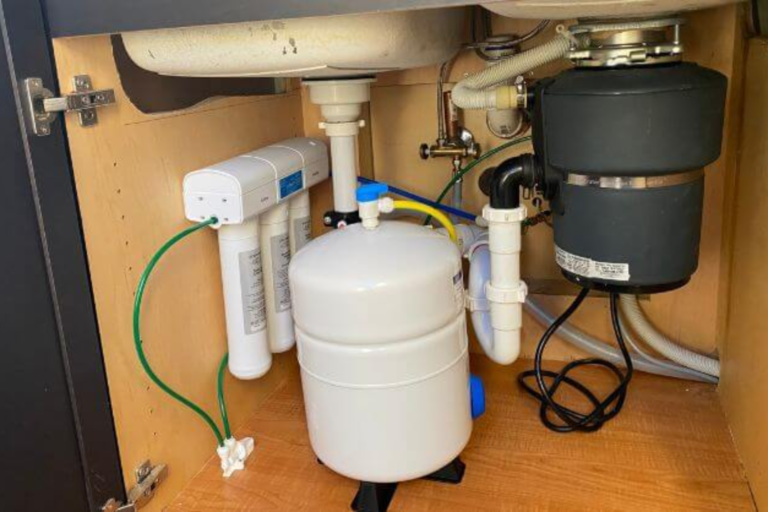
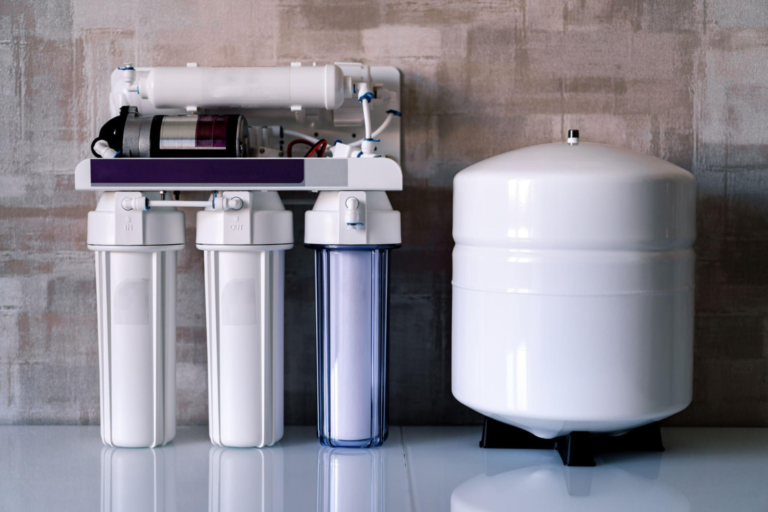
Many homeowners start with simple under-sink filters. And those can be helpful, especially for taste. But they only treat a single faucet.
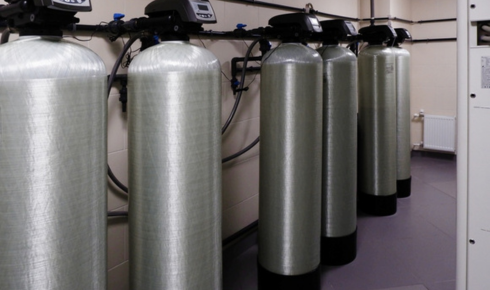
If your concern goes beyond drinking water—if you’re noticing buildup in showers, laundry, or appliances—it may be time to think bigger. That’s where whole-home filtration enters the conversation.
Installed at the main water line, these systems treat water as it enters your home. Every tap, every shower, every appliance benefits. Depending on the setup, they can reduce sediment, chlorine, and other impurities before they circulate through your plumbing.
The impact isn’t flashy. It’s subtle. Towels feel fresher. Showers rinse cleaner. Faucets stay clearer for longer stretches between cleanings.
It’s one of those upgrades that quietly improves daily life without demanding attention.
Hard Water Isn’t Just Annoying—It’s Persistent
If you live in an area with mineral-rich groundwater, you’re likely familiar with hard water. It’s not unsafe, but it’s stubborn.
Calcium and magnesium build up on fixtures and inside pipes. Over time, that buildup can restrict water flow and strain appliances. Heating elements in water heaters and dishwashers work harder when coated in scale. That extra effort translates into higher energy usage and more frequent repairs.
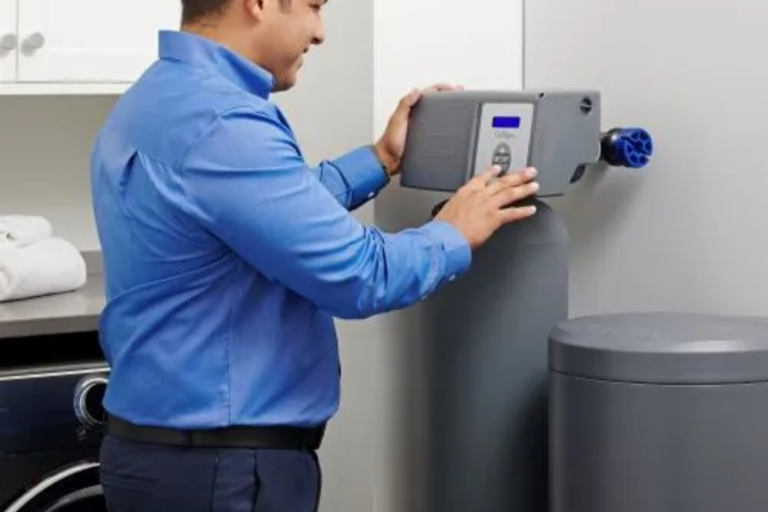
This is where water softener systems make a noticeable difference.
By removing hardness minerals through ion exchange, softeners prevent scale from forming in the first place. Soap lathers better. Laundry feels softer. Glassware comes out of the dishwasher without that cloudy film.
But the benefits go deeper than comfort. Softening reduces wear and tear inside your plumbing infrastructure—a detail you may never see, but your home certainly feels.
It’s About Longevity, Not Just Luxury
There’s a misconception that water treatment is about indulgence. That it’s something extra—nice to have, but not essential.
In reality, it’s often about preservation.
Mineral buildup, sediment, and chemical exposure can shorten the lifespan of pipes and appliances. Over years, untreated water may contribute to corrosion or clogging that requires expensive repairs.
Investing in systems designed to protect plumbing isn’t about aesthetics. It’s about safeguarding the backbone of your home.
Think of it like routine maintenance for a car. You don’t change the oil because it looks impressive. You do it because it prevents costly breakdowns.
Water treatment works the same way.
The Role of Testing
Before installing any system, testing your water is essential.
Hardness levels, pH balance, sediment presence, chlorine concentration—these metrics shape the right approach. Installing a softener when hardness isn’t the issue won’t solve your problem. Adding filtration without understanding sediment levels may clog filters prematurely.
Water conditions vary by region, and even by neighborhood. Municipal water reports offer baseline data. Well owners should consider periodic lab analysis.
Information prevents overspending and ensures the system addresses real concerns.
Maintenance Is Part of the Equation
No system is entirely “set it and forget it.”
Filters need replacement. Softener salt must be replenished. Equipment benefits from occasional inspections.
The good news? Modern systems are designed for convenience. Many include indicators that signal when maintenance is needed. Some operate on demand-based regeneration cycles, reducing waste.
Consistent upkeep keeps performance steady—and avoids the gradual decline that sometimes goes unnoticed.
A Shift in Perspective
Water is foundational. It flows through every aspect of your daily routine. When it works well, you don’t think about it. When it doesn’t, small frustrations pile up.
Treating your home’s water isn’t about chasing perfection. It’s about minimizing friction.
Fewer spots on dishes. Fewer repairs. Fewer lingering odors. A system that quietly supports the structure of your home without demanding attention.
Final Thoughts
If you’ve been noticing signs of hard water or sediment buildup, it may be worth taking a closer look at what’s flowing through your pipes.
Whole-home filtration systems address impurities at the source. Water softeners manage persistent mineral issues. Together, they help protect plumbing and extend appliance lifespan.
And perhaps most importantly, they restore something simple: trust in your tap.
Because water should support your home—not slowly wear it down.