contaminated water
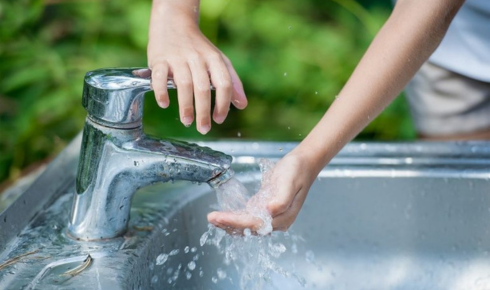
Ever stood in your kitchen, filled up a glass straight from the tap, and paused for a second—just a second—wondering, “Is this really safe to drink?” You’re not alone. Most of us take water for granted. It’s always there. Always clear. Usually tasteless. But lately, more and more people are beginning to question what’s truly flowing through those pipes.
Turns out, that crystal-clear glass might carry more than just H₂O.
It’s Not Always What You Can See
Let’s get one thing straight—clean-looking doesn’t mean clean. In fact, some of the worst culprits can’t be seen at all. We’re talking invisible chemicals, metals, and residues that leech into municipal systems, rural wells, and everything in between. And the scary part? Unless you’re actively testing your water or staying up-to-date with local quality reports, you’d never know they’re there.
This isn’t fear-mongering. It’s reality. Every year, thousands of households discover their water isn’t as safe as they thought. And in some cases, the damage has already been done.
The Unspoken Epidemic: Contaminated Water
One of the most alarming issues—especially in small towns or areas with aging infrastructure—is contaminated water. It sounds dramatic because, frankly, it is. Contamination can stem from agricultural runoff, industrial waste, corroded pipes, or untreated sewage leaks. And the effects range from mild skin irritation to long-term organ damage or developmental delays in children.
Contaminated water often carries a cocktail of threats—bacteria, viruses, heavy metals like lead or arsenic, and man-made chemicals. Some you can taste. Some you can’t. Some you might not even feel until years down the line.
And it’s not just a developing country problem. Flint, Michigan rang the alarm bells, but countless other towns in the U.S. and abroad are quietly grappling with similar risks.
What About That “Helpful” Mineral?
Ah, fluoride in water. The hero or the villain? Depends on who you ask.
For decades, fluoride has been added to public water supplies in the name of dental health. And yes, in controlled amounts, it does help strengthen enamel and reduce cavities. But here’s the kicker—there’s a fine line between helpful and harmful.
Excessive fluoride exposure, especially in children, has been linked to dental fluorosis (discoloration and damage of the teeth) and even potential bone issues later in life. And in areas where naturally occurring fluoride levels are already high, adding more via treatment plants only intensifies the problem.
Again, moderation is key. But you won’t know if your water is tipping the scale unless you check.
The Fertilizer Problem: Nitrates in Water
You wouldn’t intentionally drink fertilizer, right? But if you live near a farm, you just might be.
One of the most common pollutants in rural and agricultural communities is nitrates in water. These nitrates come from fertilizer runoff, septic systems, and animal waste. And while they’re mostly harmless for adults in small amounts, they pose a serious risk to infants—especially those under six months.
Ever heard of “blue baby syndrome”? It’s a terrifying condition where too many nitrates interfere with oxygen in the bloodstream, leading to a bluish skin tone, lethargy, and even death if untreated.
This is why water quality testing isn’t just a good idea—it’s non-negotiable if you’re on a well or live near agricultural land.
Apathy Isn’t an Option
A lot of people don’t test their water until something smells off or a child starts getting sick. And even then, it’s often brushed off as a coincidence. “We’ve always lived here.” “It’s probably fine.” “The neighbors haven’t said anything.”
But silence doesn’t equal safety. In many places, regular testing isn’t even required. That means it’s on you to advocate for your own health.
A decent test kit costs less than a tank of gas and can tell you more about your home than any filter label or city website.
So, What Can You Actually Do?
- Get Your Water Tested
Whether you’re on a city supply or a private well, get an independent water test at least once a year—more if you live near farms, factories, or old piping systems. - Know Your Risks
Every area has its own water profile. Look into what contaminants are most common in your region. Nitrates? Arsenic? Lead? PFAS? - Choose Smart Filtration
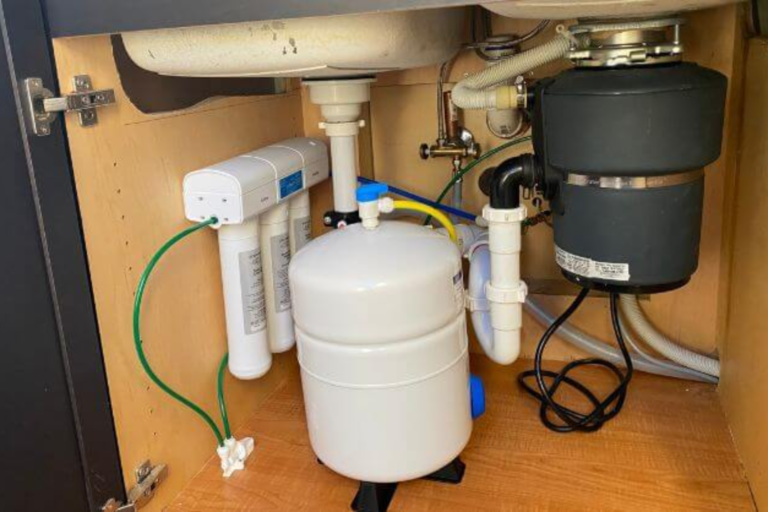
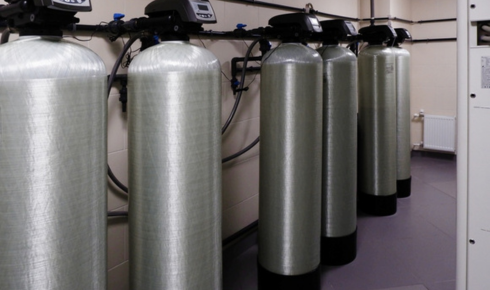
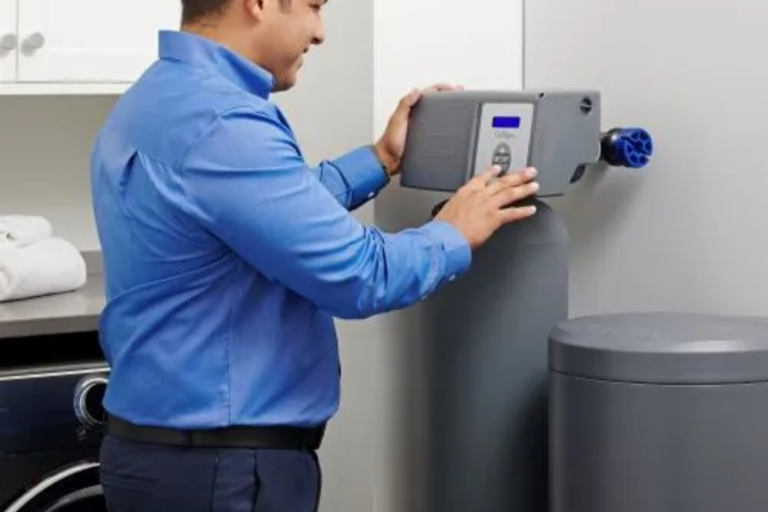
Not all filters are made equal. A basic carbon filter might make your water taste better, but it won’t touch lead or nitrates. Reverse osmosis, UV sterilizers, and multi-stage systems can tackle a range of threats depending on what you need. - Stay Informed
Water quality reports are public. So are health department notices. Read them. Share them. Ask questions when things don’t add up.
The Final Sip
At the end of the day, the water in your home touches everything. It cooks your meals. It soaks into your skin. It hydrates your kids. Yet it’s one of the most overlooked aspects of modern health and safety.
You don’t have to become a scientist or spend a fortune to protect your household. You just have to care enough to ask what’s really in your glass—and be willing to act on the answer.