What Your Well Water Is Really Telling You
For many homeowners, well water is simply part of everyday life. You turn on the tap, fill a glass, run the shower, and get on with your morning. There’s a quiet assumption that because the water comes from underground, it must be naturally clean. Sometimes it is. Sometimes, though, the water has a story of its own — and you can usually spot the clues if you know what to look for.
A strange smell, cloudy appearance, stains around the sink, or a metallic taste may seem like minor annoyances. They can actually point to minerals, sediment, bacteria, or other substances that have made their way into your supply. That’s why understanding your water matters. Good well water treatment isn’t about making water look perfect for the sake of it; it’s about making sure the water flowing through your home is appropriate for drinking, cooking, bathing, and everyday use.
Why Well Water Can Change Over Time
Unlike municipal water, private wells aren’t usually treated at a central facility before reaching your home. Your water comes from a groundwater source, and that source can change.
Heavy rainfall, drought, nearby construction, agricultural activity, aging well equipment, and changes in the groundwater table can all influence what enters a well. Even a well that has provided clear, pleasant-tasting water for years can develop problems unexpectedly.
Some common signs include:
- Rotten egg or sulfur-like odors
- Orange, brown, or black staining
- Cloudy or gritty water
- Metallic or unpleasant tastes
- White scale on faucets and showerheads
- Low water pressure
- Frequent plumbing or appliance issues
Not every unusual characteristic means the water is unsafe. But it does mean something deserves a closer look. Related context: Plumbing Companies in Dallas, TX: How to Choose the Right Service
Filtration Is About More Than Making Water Look Clear
When people hear the word filtration, they often imagine a simple cartridge sitting underneath the kitchen sink. For private wells, the situation can be considerably more complicated.
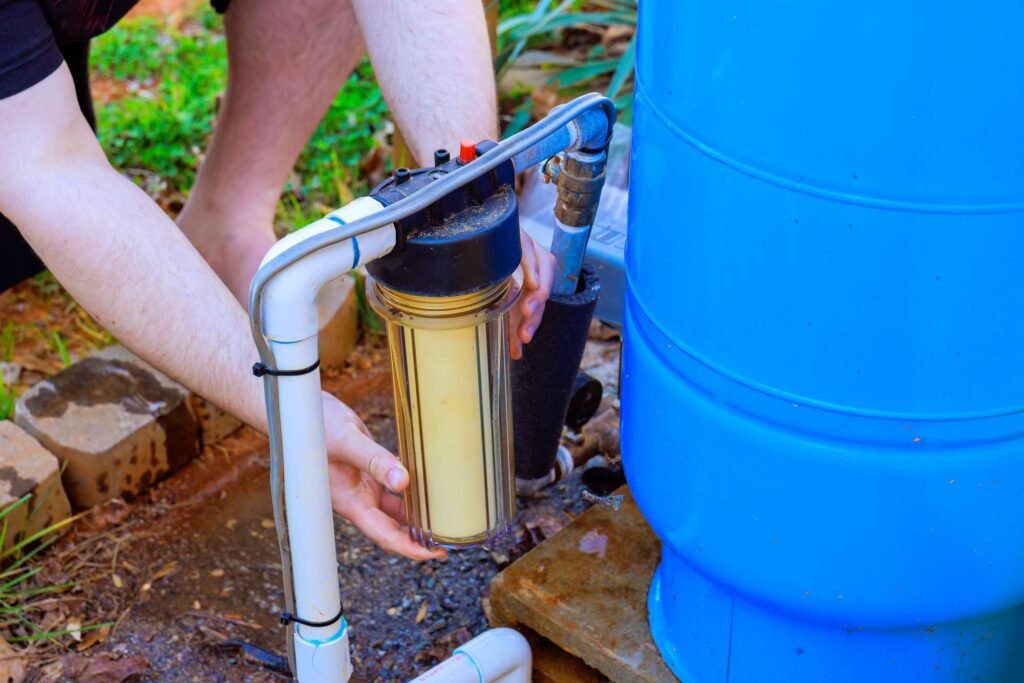
Effective well water filtration begins with understanding what is actually present in the water. Sediment filters may be useful when sand, silt, or other particles are a problem. Activated carbon can help reduce certain tastes, odors, and chemicals. Other treatment technologies may be needed for iron, manganese, sulfur, hardness, or specific contaminants.
There isn’t one magic filter that fixes every well-water issue. Choosing equipment without testing the water first can be a bit like buying glasses without knowing your prescription. It might help, but you’re guessing.
A proper assessment can identify the source of the problem and help determine which treatment approach makes sense for your household.
Testing Should Come Before Treatment
One of the smartest things a well owner can do is test the water periodically rather than waiting until something looks or smells wrong. Related context: Tree Pruning in Poinciana, FL: A Practical Guide to Healthier Trees
Basic testing may examine factors such as pH, hardness, iron, manganese, nitrate, and bacteria. Depending on the location and potential risks, additional testing may be appropriate.
The reason testing matters is simple: water can contain substances you can’t see, smell, or taste. Clear water isn’t automatically problem-free.
Testing also helps prevent unnecessary spending. If your biggest issue is hard water, for example, installing equipment designed primarily for sediment may not solve the problem. Likewise, an odor issue may require a completely different approach. Related context: Fireplace Repair Services in Dubuque, IA: A Practical Guide for Homeowners
Think of a water test as a starting point, not an inconvenience.
Hard Water Can Be Tough on Your Home
Hard water is one of the most common complaints among private well owners. It typically contains higher levels of calcium and magnesium, which can leave mineral deposits behind as water evaporates.
You may notice chalky buildup around faucets, shower doors that seem impossible to keep spotless, or spots appearing on freshly washed dishes. Soap and shampoo may also feel different because hard water can interfere with lathering.
Over time, mineral buildup can affect water heaters, plumbing fixtures, washing machines, dishwashers, and other appliances. A water softener may help when hardness is the primary concern, but again, testing first is important.
The goal isn’t simply softer water. It’s finding the right balance for your home’s plumbing and your household’s needs. Related context: Plumbing Solutions That Keep Your Home Running Smoothly
Don’t Ignore Unusual Smells
Few things make a homeowner pause faster than turning on the tap and getting a whiff of rotten eggs.
That odor is often associated with hydrogen sulfide gas or sulfur-related bacteria. In some cases, the problem may be related to the well itself or plumbing equipment. The smell can range from barely noticeable to strong enough that you don’t want to use the water.
Iron and manganese can create their own headaches, too. They may produce metallic tastes or leave reddish, orange, or dark stains on fixtures and laundry.
These problems can be frustrating, but they’re often manageable once the source has been identified. Treatment may involve filtration, oxidation, aeration, chemical treatment, or a combination of technologies, depending on the specific water chemistry. Related context: Why Regular Filter Replacement Matters for Better Water at Home
Protecting Your Household Starts With Good Water Habits
Water treatment equipment can do a lot, but homeowners still have a role to play.
Keep the area around the wellhead clean and protected. Avoid storing chemicals, fuel, fertilizers, or other potential contaminants nearby. Have the well and associated equipment inspected when necessary, particularly if you’ve noticed changes in pressure, taste, odor, or appearance.
It’s also wise to pay attention after major events. Flooding, significant storms, or well repairs can sometimes affect water quality.
And if your household includes young children, older adults, or anyone with special dietary or health considerations, discussing appropriate testing with a qualified professional can be especially worthwhile. Related context: Siding Installation and Replacement: Building a Better-Protected Home
Choosing a Treatment System Without Guesswork
A good treatment system should fit the water, the home, and the people living in it. That’s why shopping solely by price isn’t always the best strategy.
Start with a laboratory water analysis or an appropriate certified test. Then look at the specific problems that need attention. Consider how much water your household uses, where treatment should occur, maintenance requirements, replacement filters, and available space.
Whole-home treatment can make sense when an issue affects water throughout the property. Point-of-use treatment may be suitable when the primary concern is drinking and cooking water.
Professional guidance can also help prevent an all-too-common mistake: installing too much equipment. More technology isn’t automatically better. The right technology is better. Related context: Choosing a Water Treatment System That Works Hard Without Wasting More
Better Water Begins With Paying Attention
Your well water is part of your home infrastructure, just like the roof, electrical system, or plumbing. It deserves occasional attention rather than being forgotten until something goes wrong.
Most importantly, don’t judge water quality solely by appearance. Water can look perfectly clear and still warrant testing, while water with a harmless mineral discoloration may look alarming without representing the same kind of concern.
The best approach is fairly straightforward: notice changes, test when appropriate, understand what’s in your water, and choose treatment based on evidence rather than guesswork.
Well ownership comes with responsibility, but it doesn’t have to be complicated. A little testing, sensible maintenance, and the right treatment equipment can go a long way. And once you know what’s actually coming out of your tap, you can stop wondering about your water — and get back to simply enjoying it.