Tree Pruning in Poinciana, FL: A Practical Guide to Healthier Trees
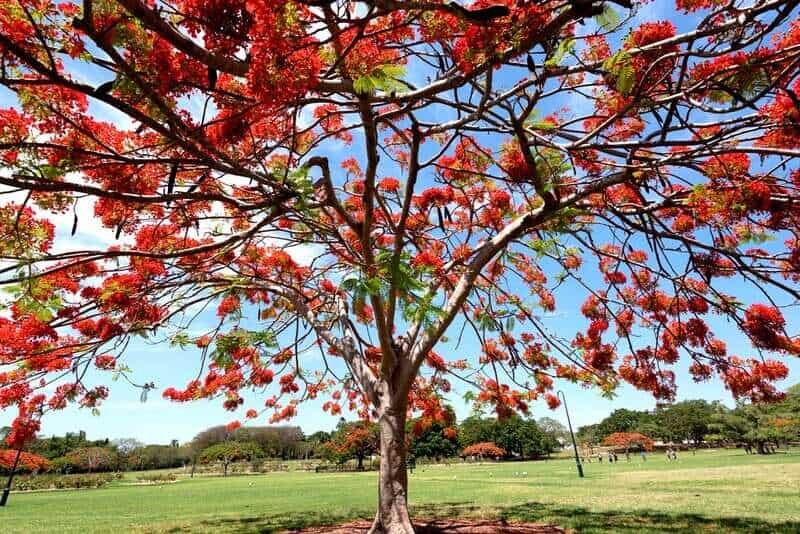
Healthy trees need more than water and sunlight. Regular maintenance helps control unwanted growth, remove damaged limbs, and maintain a stable structure. In residential neighborhoods throughout Poinciana, trees also grow close to homes, driveways, sidewalks, fences, and utility lines, making thoughtful pruning an important part of property care.
When considering tree pruning in Poinciana, FL, it is important to understand that pruning is not simply cutting branches that look inconvenient. Each cut affects the tree’s structure and future growth. Proper pruning focuses on removing specific branches while preserving the tree’s natural form and minimizing unnecessary stress.
Pruning and trimming are related but are not always the same thing. Pruning generally refers to the selective removal of branches to improve tree health, structure, safety, or long-term development. Trimming is often used more broadly for controlling overgrowth, maintaining clearance, or improving appearance. Understanding this distinction helps property owners choose the right type of tree care instead of treating every branch-removal job the same way.
When Should Trees in Poinciana Be Pruned?
The right pruning schedule depends on the tree species, its condition, location, and growth pattern. Routine inspections help you identify problems before branches become hazardous or difficult to manage. Related context: Plumbing Companies in Dallas, TX: How to Choose the Right Service
For common Central Florida landscape trees, timing can vary considerably. Citrus trees are generally best pruned in early spring, while royal poinciana benefits from structural pruning before spring regrowth, typically around late March into April. Palms do not have one universally preferred pruning season and should not be heavily cut back simply to prepare for hurricanes. Live oak pruning should focus on developing and maintaining strong branch structure rather than following a single calendar date. Species, tree condition, weather, and the purpose of the pruning should all be considered before scheduling work.
Watch for signs such as:
A. Dead or broken branches
B. Branches rubbing against each other
C. Dense growth blocking visibility
D. Limbs extending toward structures
E. Weak branch attachments
F. Water sprouts or excessive vertical shoots
G. Branches interfering with walkways or driveways
Storms also deserve attention. Strong winds and heavy rainfall can break limbs or expose structural weaknesses. After severe weather, inspect trees from a safe distance and arrange a professional assessment if you notice significant damage.
How Proper Pruning Supports Tree Health
Strategic pruning improves the overall structure of a tree by removing selected branches that interfere with healthy development. Removing dead or diseased wood also limits the presence of damaged material within the canopy. Related context: Fireplace Repair Services in Dubuque, IA: A Practical Guide for Homeowners
Good pruning practices focus on branch selection rather than excessive cutting. Removing too much live growth at once places unnecessary stress on a tree and can encourage weak or undesirable regrowth.
Pruning cuts should also be made correctly. Improper cuts, including cuts that damage the branch collar, can interfere with the tree’s natural ability to compartmentalize wounds. This is why large or complicated pruning jobs require knowledge of tree biology and proper cutting techniques. Related context: Plumbing Solutions That Keep Your Home Running Smoothly
Professional pruning should also follow recognized industry standards, including ANSI A300 tree care standards, which establish accepted practices for tree care operations and pruning. When selecting a tree care professional, homeowners can also ask whether the person performing or supervising the work is an ISA Certified Arborist rather than assuming certification.
Pruning Trees Near Homes and Utility Lines
Location is one of the most important factors when deciding how a tree should be pruned. Branches growing toward a roof, exterior wall, driveway, or power line require careful planning.
Never attempt to prune branches that are close to energized utility lines. Electricity creates a serious hazard, even when branches appear small. A qualified professional should evaluate trees growing near utility infrastructure and determine the safest approach. Related context: Why Regular Filter Replacement Matters for Better Water at Home
Trees near homes also require controlled pruning to avoid dropping branches onto roofs, windows, vehicles, or landscaping. Selective cuts help maintain clearance without unnecessarily changing the tree’s natural shape.
Benefits of Professional Tree Pruning in Poinciana
Proper pruning provides several practical benefits for your property. Removing hazardous branches reduces the likelihood of falling limbs damaging structures or obstructing frequently used areas.
A well-maintained canopy also improves visibility around driveways and walkways. Selective branch removal supports better air circulation through dense foliage while helping maintain balanced growth. Related context: What Your Well Water Is Really Telling You
Regular inspections provide another advantage. During pruning, structural problems such as cracks, cavities, weak branch unions, and unusual leaning become easier to identify. Early attention gives you more options for addressing tree problems before they become emergencies.
Preparing Poinciana Trees Before Hurricane Season
Florida’s hurricane season runs from June 1 through November 30, making pre-season tree assessment an important part of landscape preparation. Before severe weather arrives, inspect trees for dead, damaged, weak, crossing, or poorly attached branches and address appropriate structural pruning needs in advance. Proper preventive pruning can reduce potential hazards around homes, fences, and other structures, but excessive pruning or heavy “hurricane cuts” should be avoided because over-pruning can weaken trees or increase certain storm risks. Related context: Siding Installation and Replacement: Building a Better-Protected Home
Maintaining Healthier Trees in Poinciana
Tree care should focus on long-term structure rather than aggressive cutting. Inspect your trees periodically, especially before hurricane season and after storms, and pay attention to deadwood, damaged branches, and growth approaching structures.
Poinciana spans both Osceola and Polk counties, so property owners should confirm the applicable county requirements when local regulations, permits, or tree-related services depend on the property’s exact location.
Avoid topping trees or removing large portions of the canopy simply to control height. Such practices often create weak regrowth and damage the tree’s natural structure. Related context: Choosing a Water Treatment System That Works Hard Without Wasting More
For larger trees or branches in difficult locations, schedule a professional evaluation. A trained tree care specialist can determine which branches require removal and establish a pruning approach suited to the tree and its surroundings.
Protect Your Poinciana Landscape With Proper Pruning
Regular tree maintenance helps keep your Poinciana property safer while supporting healthy, balanced growth. If your trees have damaged limbs, excessive growth, structural concerns, or branches approaching buildings and utility lines, arrange a professional assessment. Taking care of pruning needs before problems escalate helps preserve your trees and maintain a safer outdoor environment.