Garage Door Opener in Rochester Hills, MI: What to Consider Before Installation
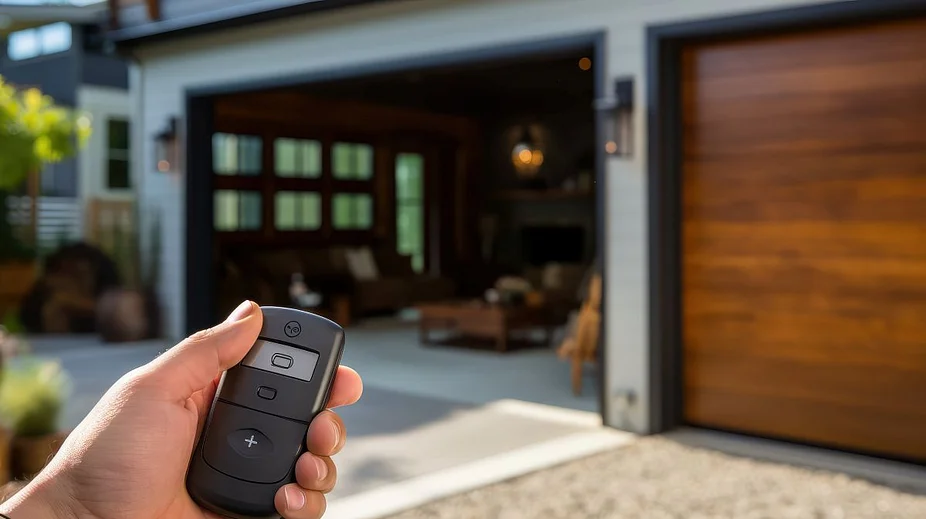
A garage door opener does more than raise and lower a garage door. It controls daily access, supports safety features, and affects how smoothly your garage operates. For homeowners in Rochester Hills, MI, choosing the right opener requires more than comparing horsepower ratings. Common residential openers are typically available in ratings such as 1/2 HP and 3/4 HP, with some higher-capacity models available for heavier applications. For example, a current 1/2 HPc Genie residential model is rated for sectional garage doors up to 350 pounds, while 3/4 HP models are commonly used when greater lifting capacity is needed. The correct rating depends on the door’s actual balanced weight, construction, and manufacturer specifications rather than horsepower alone.
When selecting a garage door opener in Rochester Hills, MI, consider how your existing door operates and how often you use it. A properly matched opener reduces unnecessary strain on the door system and provides consistent operation. Understanding the available drive systems, lifting capacity, and safety features helps you make a practical decision based on your home’s specific requirements.
How Garage Door Openers Work
Garage door openers use an electric motor and drive mechanism to move the door along its tracks. The opener works with the door’s springs, rollers, cables, and other hardware rather than operating independently.
Common drive systems include:
1. Chain drive: Uses a metal chain and offers dependable operation for many residential applications. Related context: Smarter Electrical Upgrades for Safer, More Efficient Living
2. Belt drive: Uses a reinforced belt and typically produces less operating noise.
3. Screw drive: Uses a threaded steel rod to move the trolley and has a relatively simple mechanical design. Current residential screw-drive models remain available, although availability and service support can vary by manufacturer. Related context: Understanding the Role of MCCB and DB Box in Electrical Safety Systems
4. Direct drive: Uses a motor that travels along a stationary chain, reducing the number of moving components.
5. Wall-mounted or jackshaft: Mounts beside the garage door rather than using a traditional ceiling-mounted powerhead and rail. This configuration can be useful when ceiling space or headroom is limited, or when homeowners want to keep the ceiling clear.
The best choice depends on your garage layout, noise preferences, door configuration, available headroom, and expected usage. Related context: Plumbing Companies in Dallas, TX: How to Choose the Right Service
Signs Your Garage Door Opener Needs Attention
An opener does not always fail suddenly. Changes in performance often provide an early warning that inspection or replacement is needed.
Watch for signs such as:
A. The door reverses unexpectedly
B. The motor struggles to lift the door
C. Operation becomes unusually loud
D. The opener responds slowly to the remote
E. The door stops before reaching the correct position
F. The opener works intermittently
G. Safety sensors fail to respond properly
It is important to distinguish an opener problem from an issue with the garage door itself. Broken springs, damaged rollers, misaligned tracks, or excessive door weight also affect opener performance. Related context: Tree Pruning in Poinciana, FL: A Practical Guide to Healthier Trees
Safety Features Matter in Rochester Hills Homes
Modern garage door openers include safety technology designed to reduce the risk of injury or property damage. Photoelectric safety sensors detect objects in the door’s path and signal the opener to reverse when the beam is interrupted. Residential garage door operators are subject to UL 325 entrapment-protection requirements, making proper safety-device installation and operation an important consideration.
Automatic reversing systems, emergency release mechanisms, rolling-code technology, and wall-mounted controls also contribute to safer and more controlled operation. Smart or Wi-Fi connected controls can also allow homeowners to monitor and operate compatible garage door openers through a smartphone or other connected device. Related context: Moving Through Delhi With Less Stress: Practical Advice for a Better Relocation
You should test the safety features periodically and keep sensor areas clear. If the door fails to reverse when an obstruction is detected, stop using the system until it receives professional attention.
Choosing the Right Opener for Your Home
Your garage door’s size, construction, and balanced weight should guide opener selection. A 1/2 HP residential opener may be suitable for a typical sectional door within the manufacturer’s specified weight range, while a 3/4 HP model can provide greater capacity for heavier applications. Always compare the opener’s stated lifting capacity with the actual door weight rather than assuming a higher horsepower rating is automatically better.
Before installation, consider:
A. Door weight and dimensions
B. Daily opening and closing frequency
C. Garage ceiling and side clearance
D. Desired noise level
E. Backup power requirements
F. Remote access and security preferences
G. Compatibility with the existing door hardware
Battery backup can keep a compatible garage door opener operating during a power outage, allowing the door to be opened or closed when household electricity is unavailable. Whether it is required or simply preferred depends on the opener, installation circumstances, and applicable local requirements, so homeowners should confirm the appropriate option with the installer. Related context: Fireplace Repair Services in Dubuque, IA: A Practical Guide for Homeowners
A professional assessment helps ensure the opener works with the complete garage door system rather than being selected by motor strength alone.
Maintenance Helps Protect Performance
Regular maintenance keeps your opener operating smoothly. Inspect the safety sensors, test the reversing function, examine mounting hardware, and listen for changes in motor or drive noise. Keep the opener’s components clean and address unusual movement promptly. Related context: How Small Businesses Can Build a Practical Guest-Posting Strategy
Avoid adjusting springs, cables, or other high-tension components yourself. These parts require specialized knowledge and proper tools.
Reliable Garage Door Opener Installation in Rochester Hills, MI
A reliable garage door opener supports convenient, secure, and consistent access for Rochester Hills, MI homeowners. Selecting the right drive type, checking lifting capacity and compatibility, prioritizing UL 325 safety features, and maintaining the system regularly all contribute to dependable performance. If your opener is noisy, unreliable, slow, or incompatible with your current door, arrange a professional inspection to determine whether repair or replacement is appropriate.