iron bacteria
Most of us expect water to be simple. You turn on the faucet, fill a glass, and move on with your day without giving it another thought. But every so often, your water seems to develop a personality of its own. It may carry an odd smell, leave reddish stains around fixtures, or make your morning coffee taste a little different. Those changes can be frustrating, especially when you aren’t sure what’s causing them.
The reassuring part is that unusual water isn’t always a sign of something dangerous. More often than not, it’s your home’s way of revealing that naturally occurring minerals or biological activity are influencing your water supply. Once you understand what’s happening, finding the right solution becomes much less overwhelming.
Water Naturally Changes Over Time
Water doesn’t remain exactly the same throughout the year.
Groundwater moves through different layers of soil and rock, picking up minerals along the way. Municipal systems adjust treatment methods as seasons change, while private wells respond to rainfall, drought, and local geological conditions.
These natural variations explain why water sometimes tastes, smells, or behaves differently even when no plumbing work has been done inside the house.
Understanding that water is constantly changing helps homeowners respond thoughtfully rather than assuming the worst.
When Iron Bacteria Become Part of the Problem
One issue that surprises many homeowners is the presence of iron bacteria.
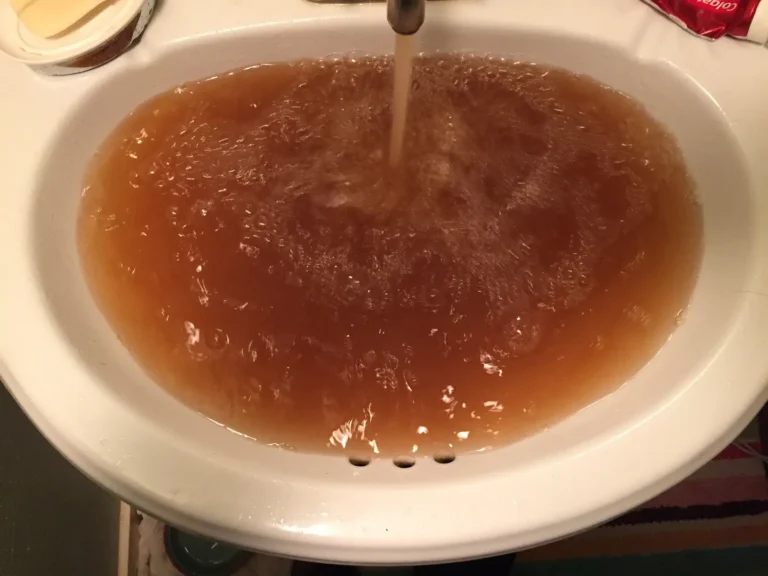
Despite the name, these microorganisms don’t usually pose a direct health risk. Instead, they feed on naturally occurring iron found in groundwater and produce a slimy residue that can coat plumbing fixtures, clog pipes, and leave reddish or brown stains around sinks, toilets, and tubs.
Some homeowners also notice musty or swamp-like odors when iron bacteria become established inside a well or plumbing system.
Because the symptoms develop gradually, people often mistake them for ordinary rust or aging pipes.
Professional testing is usually the easiest way to confirm whether iron bacteria are contributing to the problem.
Understanding Sulfur Water and Unpleasant Odors
Another common household concern involves sulfur water, which often carries the familiar smell of rotten eggs.
In many cases, the odor comes from hydrogen sulfide gas naturally dissolved in groundwater. Some homes only notice the smell when using hot water, while others experience it throughout the entire plumbing system.
Although the odor can be unpleasant, it doesn’t automatically indicate unsafe drinking water. However, it can affect cooking, beverages, showers, and overall comfort around the home.
If the smell becomes stronger or suddenly appears without explanation, it’s always worth investigating rather than simply masking the odor.
Your Plumbing May Be Sending Important Signals
Not every water issue begins at the source.
Sometimes aging plumbing, sediment inside a water heater, or stagnant water sitting in rarely used pipes contributes to unusual smells or discoloration. One helpful clue is determining where the symptoms appear.
If every faucet produces the same odor, the incoming water deserves attention. If only one fixture seems affected, the issue may exist much closer to the tap itself.
These simple observations often make diagnosis much easier.
Why Testing Is Always the Best First Step
When homeowners notice stains or odors, it’s tempting to buy the first filtration system advertised online.
Unfortunately, guessing rarely produces the best results.
Professional water testing identifies mineral content, sulfur compounds, pH balance, hardness, iron levels, bacterial activity, and many other characteristics unique to your home’s water.
Rather than relying on assumptions, testing provides accurate information that allows treatment to focus on the actual cause instead of the symptoms.
That usually saves both money and frustration.
Modern Water Treatment Is More Targeted Than Ever
Today’s water treatment technologies are designed to solve specific problems instead of offering generic solutions.
Activated carbon systems improve taste and odor, oxidation systems address sulfur-related issues, specialized filtration reduces iron, while ultraviolet systems target microbial concerns in appropriate situations.
The key is matching treatment equipment to the results of professional testing.
A solution that works perfectly for one household may provide little benefit to another because every water source is different.
That’s why customized recommendations consistently outperform one-size-fits-all products.
Better Water Improves Daily Life in Unexpected Ways
When homeowners resolve water issues, the improvements extend well beyond drinking.
Coffee and tea often taste cleaner. Showers become more enjoyable, dishes come out clearer, and laundry feels fresher. Plumbing fixtures require less scrubbing, while appliances often operate more efficiently because they’re no longer dealing with excessive mineral deposits or biological buildup.
These changes aren’t dramatic overnight, but together they noticeably improve the comfort and convenience of everyday life.
Sometimes the greatest benefit is simply no longer worrying about the water flowing from your faucet.
Every Home Has Different Water Needs
Whether your home relies on a municipal supply or a private well, the right solution depends entirely on your specific water conditions.
Some households only require a simple carbon filter to improve taste. Others may benefit from specialized treatment designed to address sulfur, iron, or naturally occurring minerals.
Understanding your home’s water profile ensures every improvement delivers meaningful value rather than unnecessary expense.
There really isn’t a universal answer—and that’s perfectly normal.
Better Water Begins with Better Understanding
Water quietly supports nearly every activity inside your home, yet it’s often overlooked until something changes.
An unusual smell, unexpected staining, or declining appliance performance isn’t something to ignore. Instead, think of these changes as useful information that can help you understand your home’s water more completely.
With proper testing, accurate diagnosis, and carefully selected treatment, even persistent water issues can usually be resolved.
At the end of the day, better water isn’t just about removing odors or stains. It’s about creating confidence every time you turn on the tap, knowing the water your family depends on is working with your home instead of against it.