municipal water
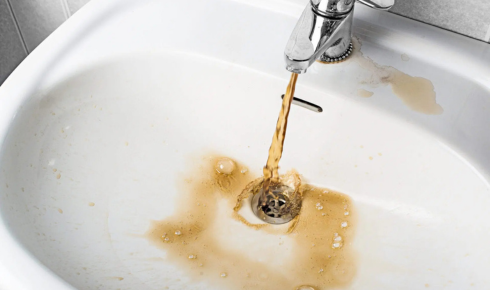
It always starts small, doesn’t it? A slightly orange ring around the sink drain. A few rust-colored splotches in the toilet bowl. Maybe your white laundry comes out looking a bit…off. You ignore it at first—who has time to obsess over a stain or a strange metallic taste in the water? But over time, these seemingly minor annoyances start to pile up.
Here’s the thing—your water is trying to tell you something. Those strange smells, colors, and textures? They’re not just cosmetic. They’re water symptoms—real signs that there might be a deeper issue going on beneath the surface.
Let’s break it all down. Not with scare tactics or confusing technical jargon, but with a little straight talk and a few practical fixes that’ll help you get your water (and your peace of mind) back on track.
Rust Never Sleeps (And Neither Should You)
Let’s start with the obvious enemy—rust. You see it. You hate it. It clings to your fixtures and haunts your toilet bowl. But where is it coming from? And what does it mean?
In most homes, rust issues are tied to either aging pipes or high iron content in your water supply. It’s especially common in well water systems, but even folks hooked up to a city line aren’t immune.
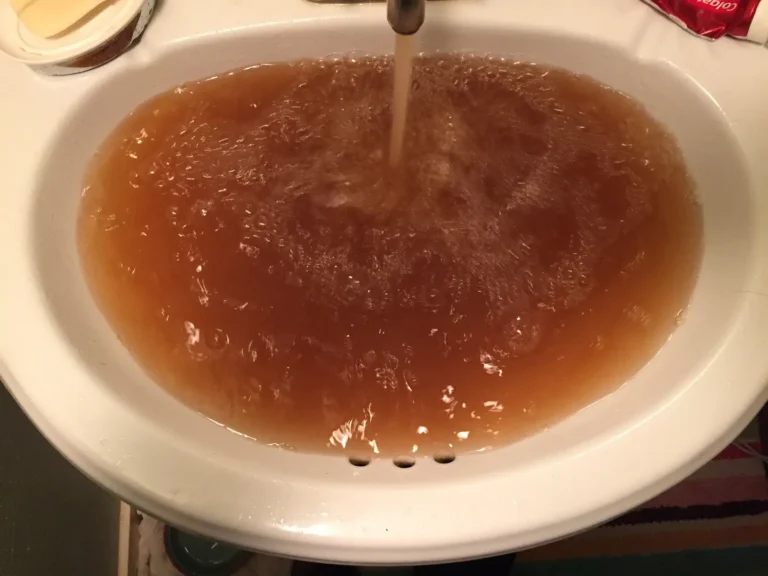
Depending on the source, rust can be harmless or harmful. In small doses, it’s just a nuisance. But when it builds up, it can stain plumbing, corrode pipes, and leave your water looking more like iced tea than anything drinkable.
That’s where modern rust solutions come in. Iron filters, oxidizing systems, and even certain water softeners can dramatically reduce or eliminate iron particles before they ever reach your tap. It’s not a one-size-fits-all fix, but with a proper water test and the right system in place, rust can become a thing of the past.
Understanding the Language of Water
Water doesn’t lie. It’ll show you when something’s off—you just have to know how to listen. Discoloration? Might be iron or manganese. A foul egg-like odor? Probably sulfur or bacterial contamination. Cloudy or milky water? That could be air bubbles, sediment, or even scale.
These aren’t random annoyances. They’re water symptoms—your home’s way of waving a flag and asking for a little help. The biggest mistake homeowners make? Ignoring the signs until they become full-blown plumbing or health issues.
Start with a water test. Seriously, it’s the easiest way to get clarity (pun intended). Whether you’re on a well or hooked up to city supply, testing tells you exactly what you’re dealing with—so you’re not wasting money on the wrong fix.
City Water ≠ Perfect Water
There’s this common misconception that if you’re getting municipal water, you’re in the clear. After all, it’s regulated, treated, and tested, right? Well, yes… and no.
Municipal treatment plants are designed to make water safe. But that doesn’t always mean it’s ideal. Chlorine is often added to kill bacteria, but it can leave a strong odor or dry out your skin. Fluoride, while added for dental health, is a concern for some households. And lead? That’s not in the water itself, but in the aging pipes it travels through—especially in older homes.
So even if you’re sipping water from a city system, you might still be tasting the effects of a 50-year-old pipe. A point-of-use filter or whole-house system can help polish what the city starts—giving you cleaner, tastier, and more reliable water for every use.
When Looks Are Deceiving
Here’s where things get tricky. Just because your water looks fine doesn’t mean it’s good. Some of the most dangerous contaminants—like arsenic, lead, or PFAS chemicals—are completely invisible.
That’s why filtration isn’t just about fixing problems you can see. It’s about protecting against the ones you can’t. If your water doesn’t smell like sulfur and doesn’t look rusty, that doesn’t automatically make it safe or healthy. Again, this is where that water test becomes your best friend.
Real-Life Fixes, Not Overcomplications
Now that you’ve got a better picture of what could be lurking in your pipes, the next step is action. But don’t stress—this isn’t about tearing up your plumbing or spending thousands on a sci-fi water system.
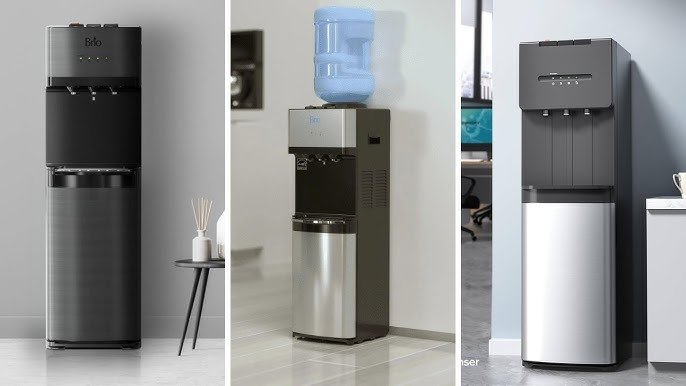
There are whole-house systems, under-sink filters, cartridge systems, softeners, and even specialized units that target just one issue (like iron, sulfur, or chlorine). Some are DIY-install friendly. Others you’ll want a pro for. The key is matching the right system to your water’s unique fingerprint.
If rust is your main issue? Go for oxidizing filters or a softener built for iron-heavy water. Smells? Activated carbon and aeration systems are your go-to. Worried about contaminants from your municipal water? A good reverse osmosis or multi-stage filter can knock out a wide range of nasties.
Why It’s Worth It
You might be thinking, “It’s just water. It’s not that bad.” But think about how often you interact with it. You drink it. Cook with it. Shower in it. Wash your clothes, dishes, baby bottles, veggies. Water touches everything.
When it’s off, it affects your life in dozens of small, nagging ways. When it’s clean and right? You’ll notice the difference immediately—in taste, in comfort, in peace of mind.
Investing in your water is investing in your home, your health, and your quality of life. And in a world where we worry about so many things beyond our control, this is one thing you can fix.
Final Thought: If your water has been dropping hints—stains, smells, weird tastes—it’s not just being moody. It’s telling you something. Listen closely. Test smart. And take action. Because clearer water leads to a clearer mind—and a whole lot less orange in your toilet bowl.