water softener maintenance
Let’s be honest—when was the last time you thought about your water softener?
Probably never, unless something went wrong. And that’s fair. It’s one of those behind-the-scenes home systems that quietly does its job… until it doesn’t. But the thing is, water softeners should get a bit more credit. They protect your pipes, keep your appliances running smoother, and make your skin feel like you’ve just walked out of a spa (instead of a hard-water battle zone).
If you’re new to the soft water game or just curious about how to make yours last longer, let’s sit down and talk. No tech jargon. No salesy nonsense. Just a friendly dive into what makes a softener work, how to keep it happy, and why installation (done right) is everything.
The Unsung Hero of the Utility Room
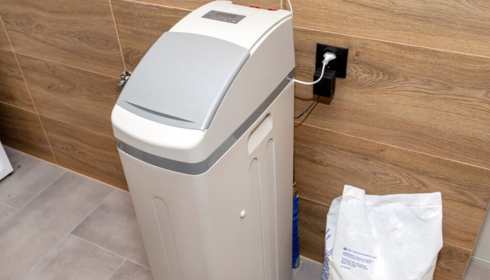
So, what exactly is a water softener doing all day?
In short, it’s removing the calcium and magnesium that cause hard water. You know, the stuff that leaves white gunk on your showerhead, turns your shampoo into a sticky mess, and gives your dishwasher nightmares.
But here’s the twist: your water softener doesn’t just “set it and forget it.” Like anything mechanical, it needs a little TLC from time to time.
Regular water softener maintenance isn’t a major ordeal—but it’s the difference between a system that runs for 20 years and one that taps out early. We’re talking simple things: checking salt levels monthly, using the right kind of salt (yep, it matters), and occasionally cleaning out the brine tank if it starts looking like a science experiment.
It’s not glamorous, but it’s easy—and worth it. A few minutes every couple of months and you’re golden.
Smarter Systems That Think for You
Technology is creeping into every corner of our lives—smart fridges, thermostats that know when you’re home, vacuums that map your living room. So, it’s no surprise that water softeners are getting smarter too.
If you haven’t heard of demand-initiated regeneration, it’s one of the cooler advancements in water softening. Instead of running on a timer (whether it needs to or not), your system actually measures your water use and regenerates only when necessary.
Why does that matter? A few big reasons:
- It saves salt (less waste).
- It saves water (better for your bill and the planet).
- It extends the life of your system (fewer unnecessary cycles).
Basically, it adapts to your lifestyle. Use less water for a week? Great, it’ll hold off. Hosting a full house for the holidays? It adjusts. Smart, simple, and more efficient.
The Moment of Truth: Installation Day
Here’s the thing no one tells you: water softener installation isn’t just plug-and-play. It matters who installs it and how it’s installed.
A professional install ensures everything’s set up to flow properly with your home’s plumbing. Placement matters. Drainage matters. The quality of fittings matters. And if you’ve got a more complex setup—like a well, iron filter, or RO system—then it really matters.
Sure, you can try a DIY if you’re handy and up for a challenge, but most people find that the money saved up front can end up costing more in leaks, incorrect brine cycles, or—worst case—starting over from scratch.
A good installer will also walk you through your system so you know how to check salt levels, set timers (if needed), and troubleshoot the little stuff before it becomes big stuff. Think of it like having a friend show you the ropes, instead of tossing you the manual and saying “good luck.”
It’s the Little Things You’ll Start to Love
After the install and the initial “wow, this feels nice” phase, something unexpected happens: soft water becomes your new normal.
You stop noticing the feeling—until you travel somewhere with hard water again. And then? Oh boy. Your skin’s dry. Your hair’s weird. Your soap doesn’t lather. And suddenly, you’re texting home like, “I miss our water.”
Soft water spoils you, but in the best way. It makes showers better, laundry softer, appliances last longer. And all it takes is a system that quietly does its job—with the occasional check-up and a bag of salt here and there.
Is It Worth the Effort?
Absolutely.
Soft water reduces mineral buildup in pipes, helps dishwashers and washing machines stay efficient, and keeps your fixtures looking like new. And if you’ve got eczema or sensitive skin? It can be life-changing.
Regular water softener maintenance and choosing smarter options like demand-initiated regeneration systems just makes it all run smoother. Pair that with a professional water softener installation, and you’re setting yourself up for years of clean, hassle-free water.
It’s one of those upgrades that pays you back in quiet, everyday moments—like pouring a glass of water without worrying about what’s in it, or pulling a load of towels out of the dryer that actually feel fluffy.
Final Thought (Topped Off with a Little Salt)
A lot of homeowners wait until there’s a problem before they pay attention to their water. But soft water isn’t about fixing something broken—it’s about improving something you use every single day.
Treat your softener like the MVP it is. Check in on it once in a while. Keep it clean. Add the salt. Know what your system needs, and it’ll take care of you in return.