energy-efficient systems
Water treatment is one of those home investments you don’t always appreciate until something goes wrong. A filter becomes clogged, a water softener stops working, or an appliance develops mineral buildup, and suddenly the equipment you rarely think about becomes the center of attention.
But a good water treatment system should do more than solve an immediate water-quality problem. It should operate efficiently, fit your household’s needs, and remain practical to maintain over the years.
That last part is easy to overlook. Homeowners often focus on the purchase price and forget that treatment equipment has an ongoing relationship with water, electricity, replacement filters, and regular service.
A little planning upfront can make that relationship much easier.
Start With a Water Test
Before choosing equipment, understand what’s actually in your water.
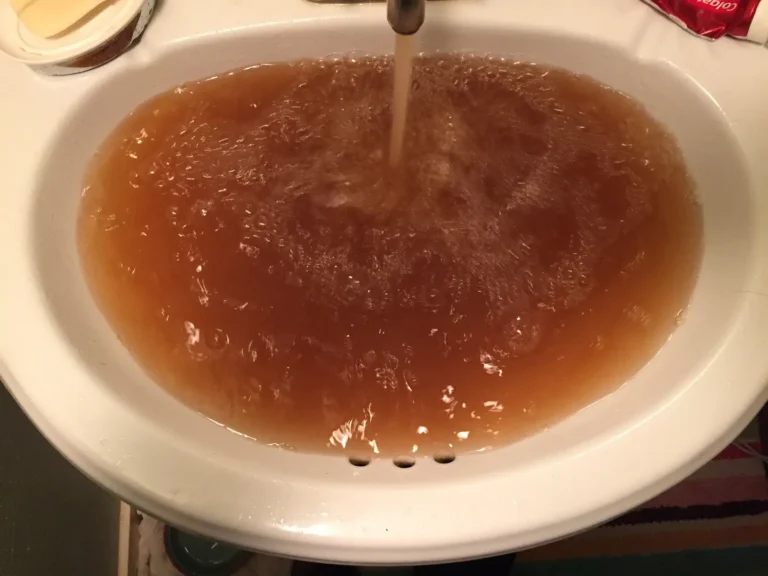
Hardness, chlorine, iron, sediment, pH, and dissolved substances can all affect water quality. Municipal water and private well water can have very different characteristics, and even nearby properties aren’t guaranteed to have identical conditions.
A water test gives you useful information before you spend money.
For example, excessive hardness may point toward a water softener. Chlorine taste may be addressed with activated carbon filtration. Certain dissolved contaminants may require reverse osmosis or another specialized treatment method.
It sounds obvious, but treating a problem you don’t actually have is an expensive mistake.
Why Energy Efficiency Matters
Water treatment equipment isn’t usually the biggest energy consumer in a home, but efficiency still matters—especially when equipment operates automatically or regularly.
Modern energy-efficient systems can be designed to use resources more thoughtfully. Depending on the technology, that may mean lower electricity consumption, optimized regeneration cycles, or improved water efficiency.
Reverse osmosis systems are a good example. The filtration process can produce wastewater, but newer designs may be more efficient than older models. Water softeners can also be programmed around household usage rather than operating unnecessarily.
When comparing systems, don’t simply ask whether a product is “efficient.” Ask how efficiency is measured and what it means in actual household use.
The details matter.
Look Beyond the Purchase Price
A system that costs less upfront isn’t necessarily the cheapest option.
The real cost of water treatment includes installation, replacement filters, salt or other consumables, electricity, water usage, repairs, and service.
These operational costs can add up quietly over several years.
Imagine two systems with similar purchase prices. One requires inexpensive filters twice a year, while the other needs specialized cartridges every few months. The difference might seem small at first, but after five years, the cheaper-looking system may not be so cheap anymore.
Before buying, ask for an estimate of typical annual running costs. It’s a simple question and can reveal quite a bit.
Choose Equipment That Matches Your Household
A treatment system should be sized according to actual water demand.
A small household with one bathroom doesn’t necessarily need the same capacity as a large family with several bathrooms and heavy daily water usage.
Oversizing can increase upfront costs and may lead to inefficient operation. Undersizing can create a different set of problems, including inadequate treatment capacity and more frequent regeneration or filter replacement.
Household size, water usage, incoming water quality, and available installation space should all be considered.
Think of it like buying a refrigerator. You want enough space for your needs, but you don’t need a commercial walk-in cooler in a two-person apartment.
Whole-Home vs. Point-of-Use Treatment
Another important decision is deciding where treatment is actually needed.
Whole-home systems treat water as it enters the property, making them useful when the concern affects multiple fixtures. Hard water is a common example because scale can form throughout plumbing, bathrooms, and appliances.
Point-of-use systems, on the other hand, focus on a specific location, such as the kitchen faucet. They can be useful when drinking-water quality is the primary concern.
Neither option is automatically better.
If your main complaint is the taste of drinking water, a point-of-use filter might be enough. If hard water is affecting your shower, laundry, dishwasher, and water heater, a whole-home softening solution may make more sense.
Installation Can Affect Performance
Even high-quality equipment needs to be installed correctly.
Incorrect connections, poor drainage, inadequate pressure, or inaccessible components can create unnecessary problems later. That’s why professional installation is often worth considering, particularly for systems that involve plumbing modifications or multiple treatment stages.
Good installation also means thinking about the future.
Can you easily access the filter? Are shut-off valves clearly positioned? Is the equipment protected from accidental damage? Can a technician service it without dismantling half the utility room?
These aren’t glamorous questions, but they matter when you’re standing there with a replacement filter in your hand.
Maintenance Isn’t Optional
Every treatment system needs some form of maintenance.
Filters eventually become saturated. Softener components require attention. Reverse osmosis membranes have a limited service life. Connections and other components may need inspection.
Fortunately, routine maintenance doesn’t have to be complicated.
Keep a record of installation dates and filter replacements. Follow the manufacturer’s recommended schedule, and pay attention to changes in water taste, flow, pressure, or appearance.
If a filter normally lasts six months but suddenly becomes clogged after six weeks, that’s worth investigating. Something may have changed in the incoming water.
Why Long-Term Support Matters
Buying equipment is only the beginning of the relationship with a water treatment provider.
Good ongoing maintenance support can make ownership considerably easier. Having access to replacement parts, routine service, troubleshooting, and knowledgeable technicians means you’re not left trying to diagnose a complicated system from a user manual at midnight.
Support is particularly valuable for larger whole-home systems or equipment that has several treatment stages.
Ask about service availability before purchasing. Find out whether maintenance plans are offered and what they include.
A little support can save a lot of frustration later.
Make Efficiency Part of the Decision
When comparing water treatment options, look at the whole picture.
Consider water quality first, then equipment performance, installation requirements, maintenance, resource consumption, and long-term cost.
Don’t get distracted by the longest feature list. More features don’t necessarily mean better treatment.
A simpler system that addresses your actual water problem may be more economical and easier to live with than an unnecessarily complicated setup.
The Best System Is the One You Can Live With
Good water treatment isn’t about buying the most expensive equipment available. It’s about making a sensible choice based on your home’s water and your everyday habits.
Test before treating. Compare long-term costs instead of focusing only on the sticker price. Choose equipment that’s appropriately sized, install it properly, and keep up with maintenance.
When those pieces come together, the system can quietly protect plumbing, improve water quality, and operate without demanding constant attention.
And honestly, that’s what most homeowners want. Not another complicated machine to worry about—just dependable water treatment that works efficiently, costs reasonably, and keeps doing its job year after year.